胡庚亮(フー・ゴンリャン)
空間構造と個の存在の緊張関係を探る写真芸術家。
胡庚亮(別名:金邑)は、中国の写真芸術家。北京電影学院写真学部を卒業後、写真、映画、ビジュアルディレクションなど多分野にわたる活動を展開し、雑誌のビジュアルディレクターとしても経験を積んできた。
2012年に「邑 Studio 視覚映像空間」を設立し、商業撮影と個人制作を往還しながら独自の表現を模索。2015年には「北京・ポーランド文化週間」において個展「愛上・クラクフ」を開催した。
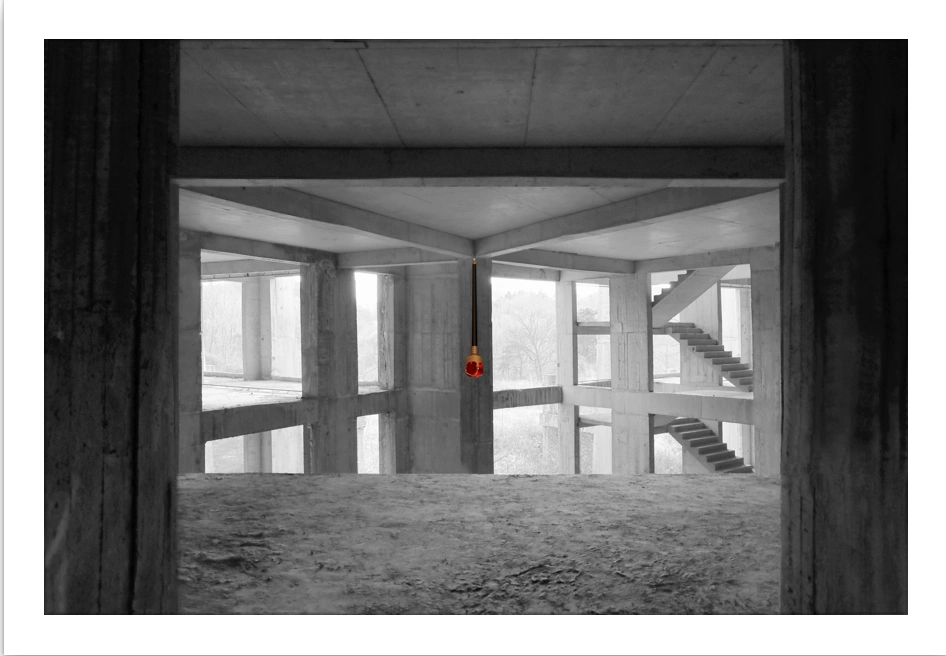
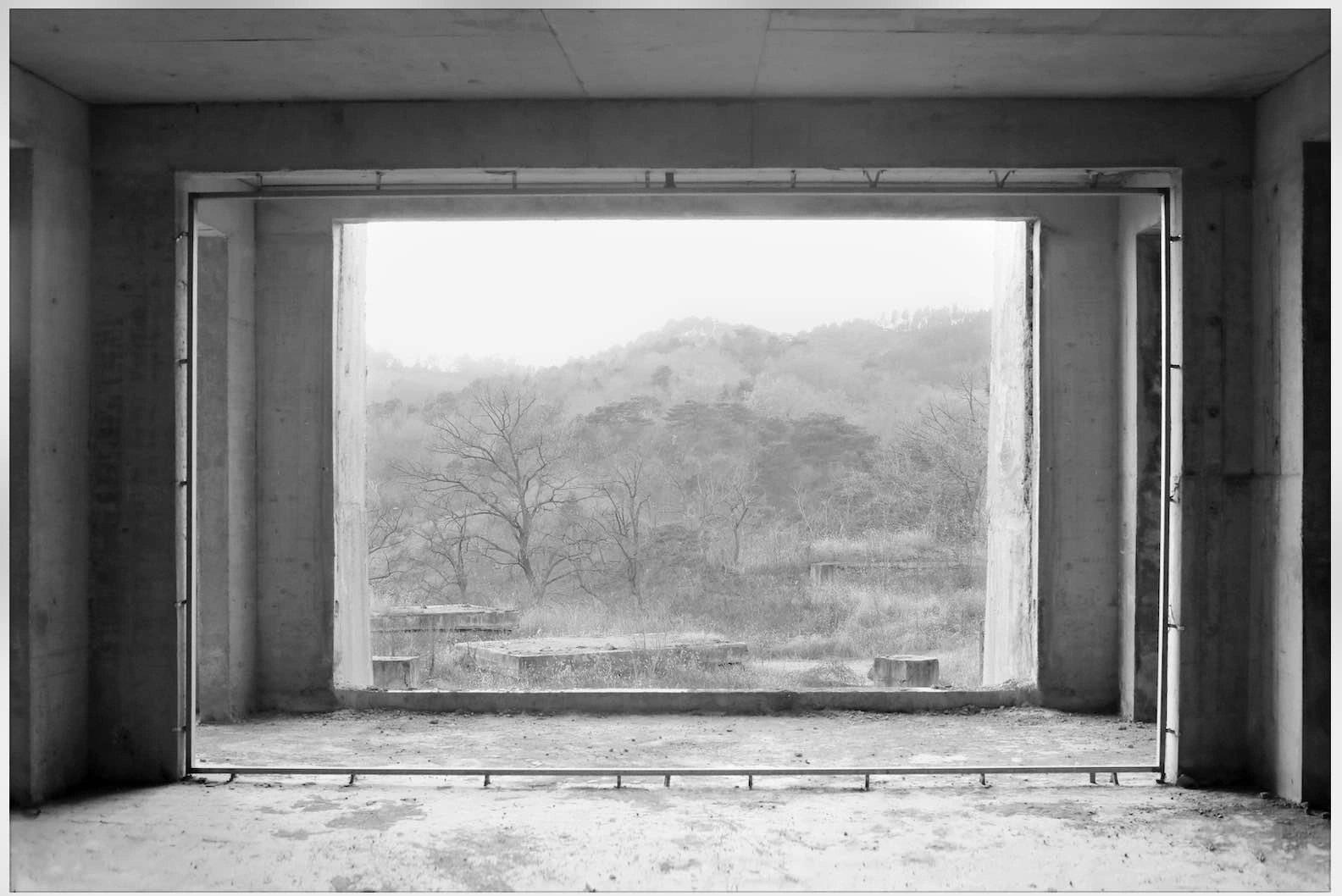
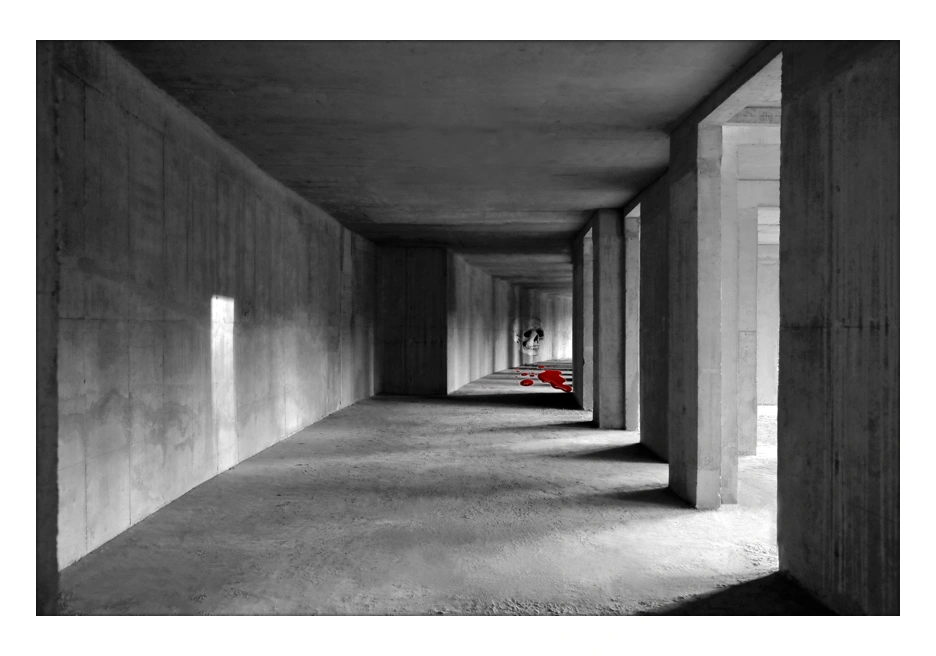
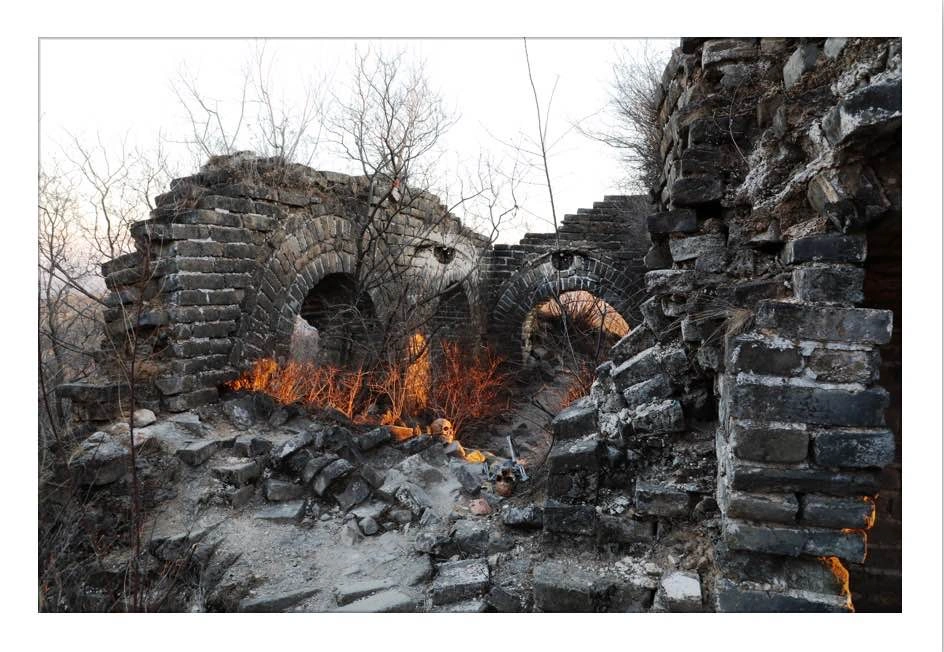
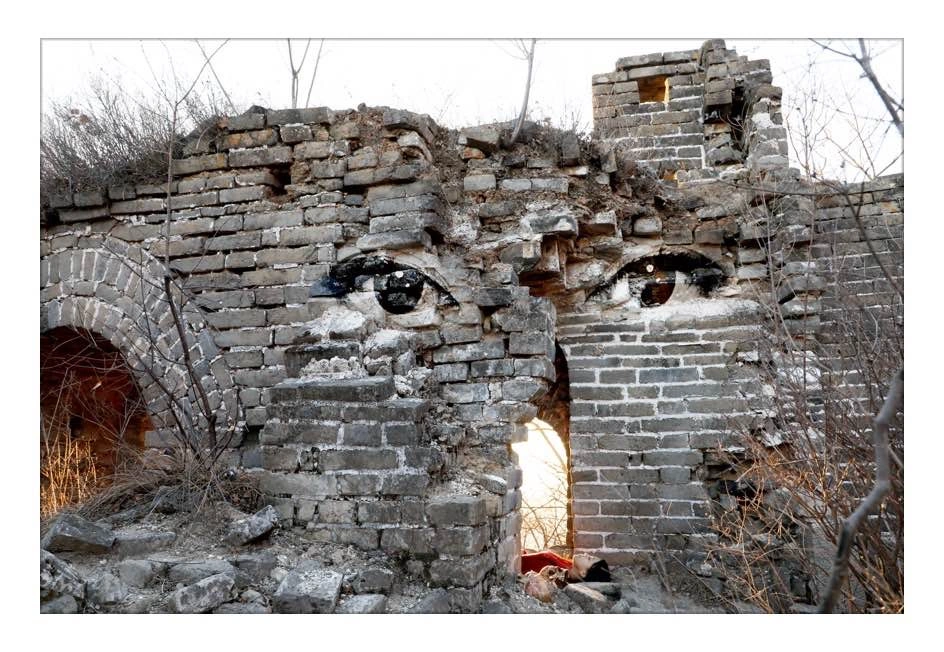
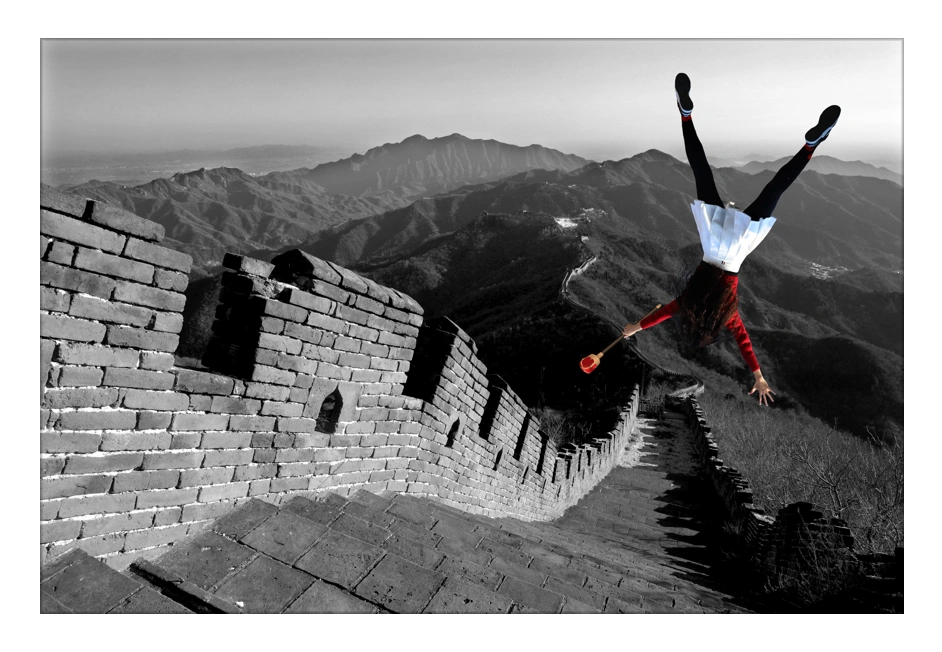
近年は、商業的ポートレートからよりコンセプチュアルな写真表現へと軸足を移し、廃墟や歴史的空間に介入することで、人物を不安定で宙吊りのような状態に配置する作品を展開している。空間構造と個の存在の関係性に焦点を当て、現実と心理のあいだに揺らぐイメージ空間を構築している。
胡庚亮の作品は、商業写真の経験を基盤としながら、よりコンセプト重視の表現へと展開している。廃墟や移行的な空間の中に人物を配置することで、環境が知覚や存在感、心理的緊張にどのように作用するかを探っている。
Hu Gengliang | Jin Yi
A photographic artist exploring the tension between human presence and spatial structures.
Hu Gengliang (also known as Jinyi) is a Chinese photographic artist who graduated from the Beijing Film Academy. Her practice spans photography, film, and visual direction, with extensive experience in editorial and commercial image-making.
In 2012, she founded Yi Studio, developing a body of work that moves between commissioned projects and independent artistic exploration. In 2015, she held a solo exhibition Falling in Love with Kraków as part of the Poland Cultural Week in Beijing.
In recent years, her practice has shifted toward a more conceptual approach to photography. Through interventions in abandoned architectures and historical sites, she places human figures in states of imbalance, suspension, and displacement. Her work explores the relationship between individual presence and spatial structures, constructing visual environments that oscillate between physical reality and psychological perception.
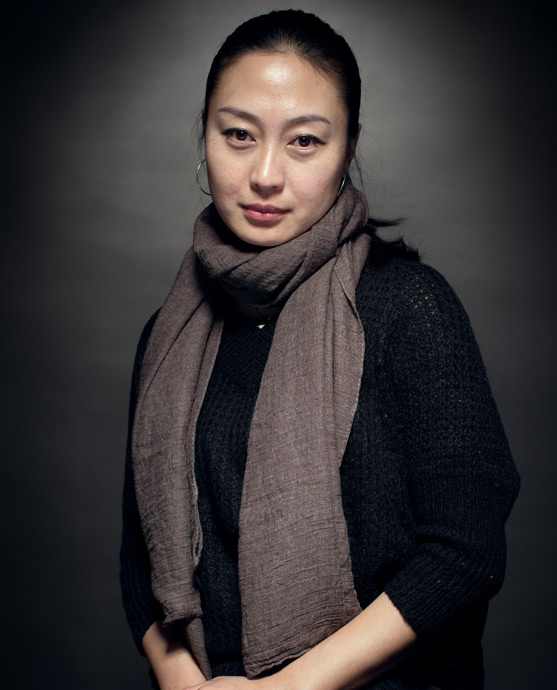
Hu Gengliang’s work evolves from a background in commercial and editorial photography toward a more concept-driven practice. By placing human figures within abandoned or transitional spaces, she investigates how environments shape perception, presence, and psychological tension.
代表作品|Her Art works
※ 凝視のあと、人の身体はもはや安定した存在ではなくなる。構造に捉えられ、宙吊りにされ、その中で再定義されていく。
※ After the gaze, the human body is no longer stable. It becomes displaced, suspended, and redefined within the structure that observes it.
間構造がいかに人間の存在を観察し、導き、最終的に変容させるのかを探る写真実践。
A photographic practice that examines how spatial structures observe, direct, and ultimately transform human presence.