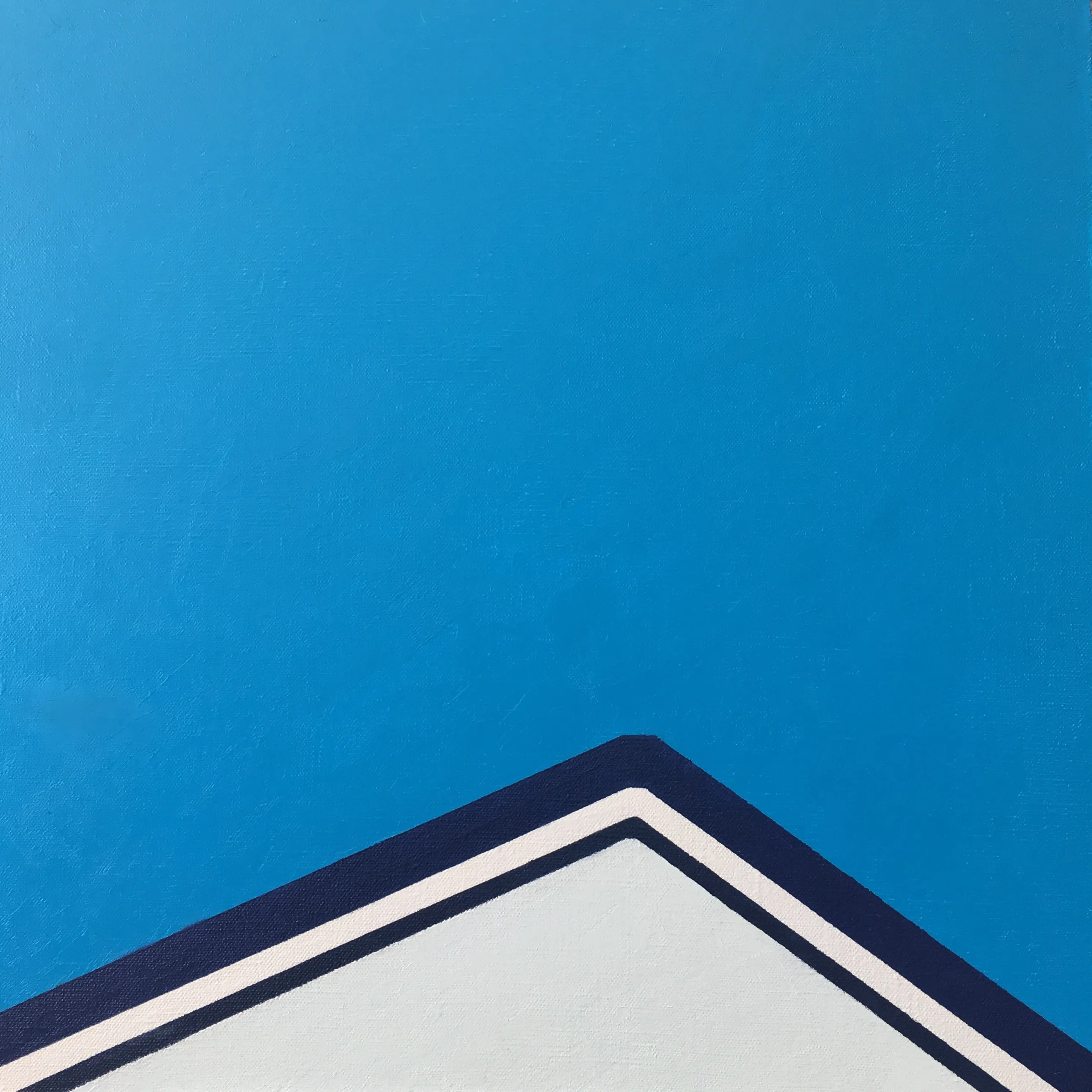
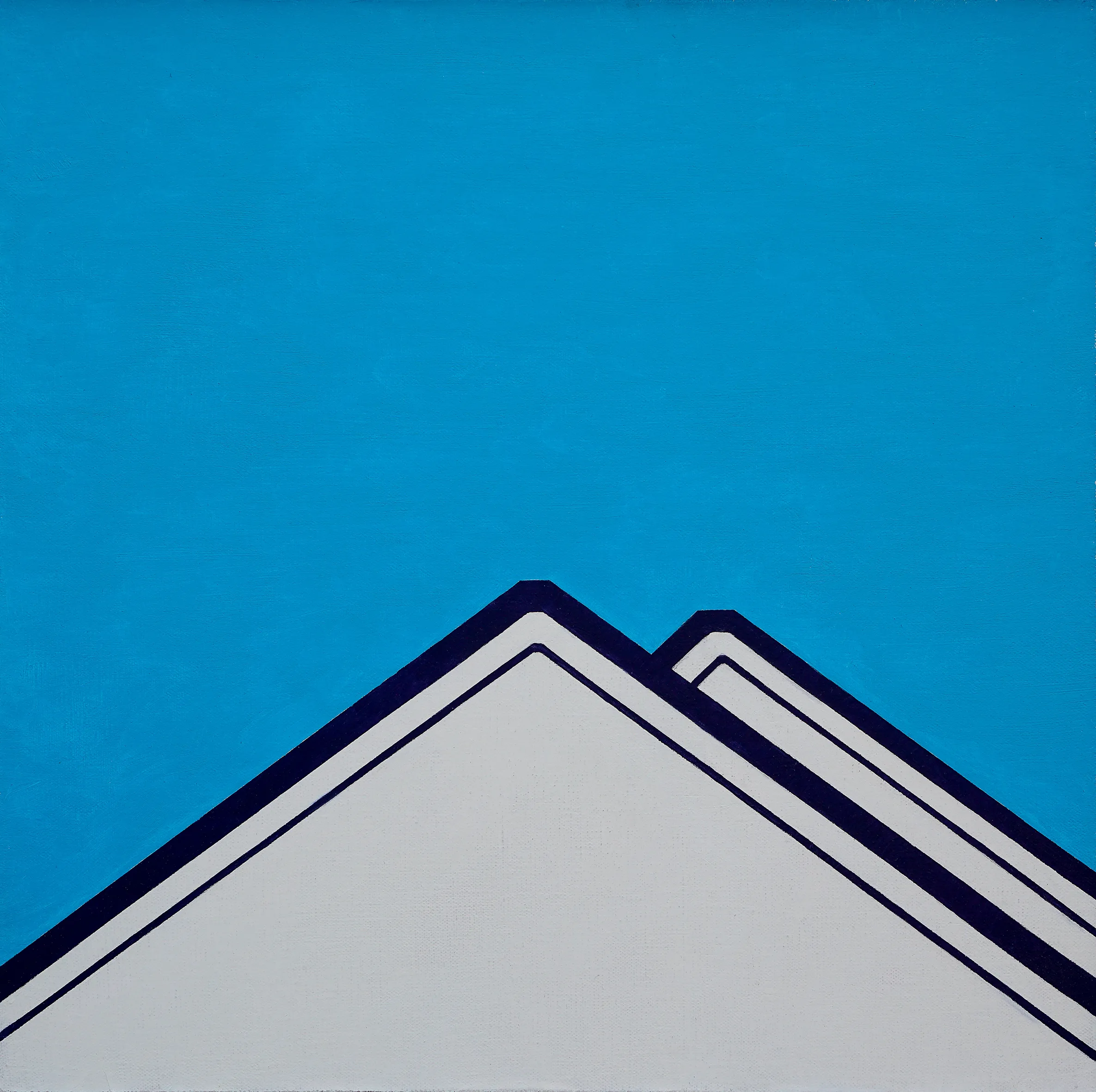
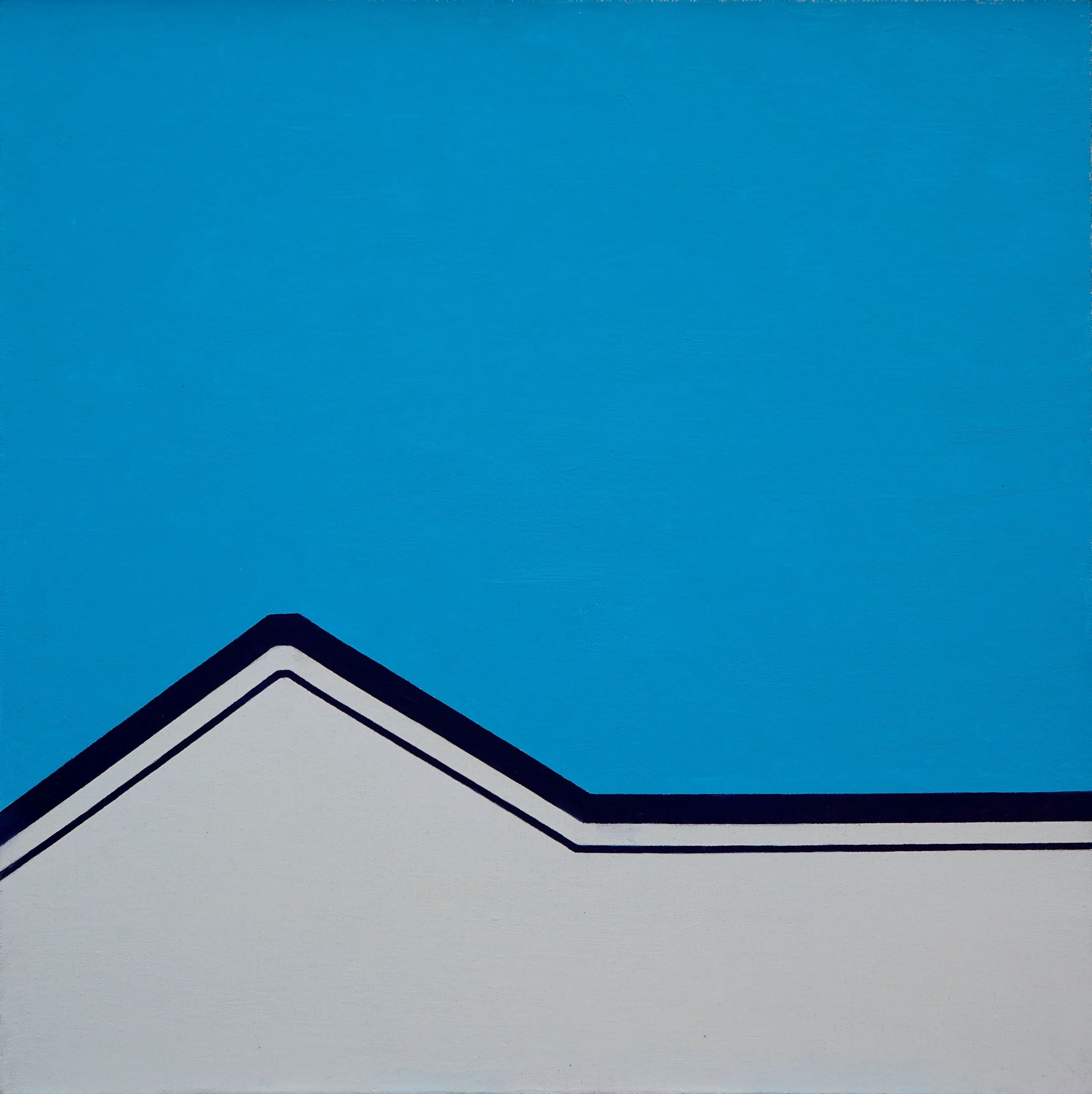
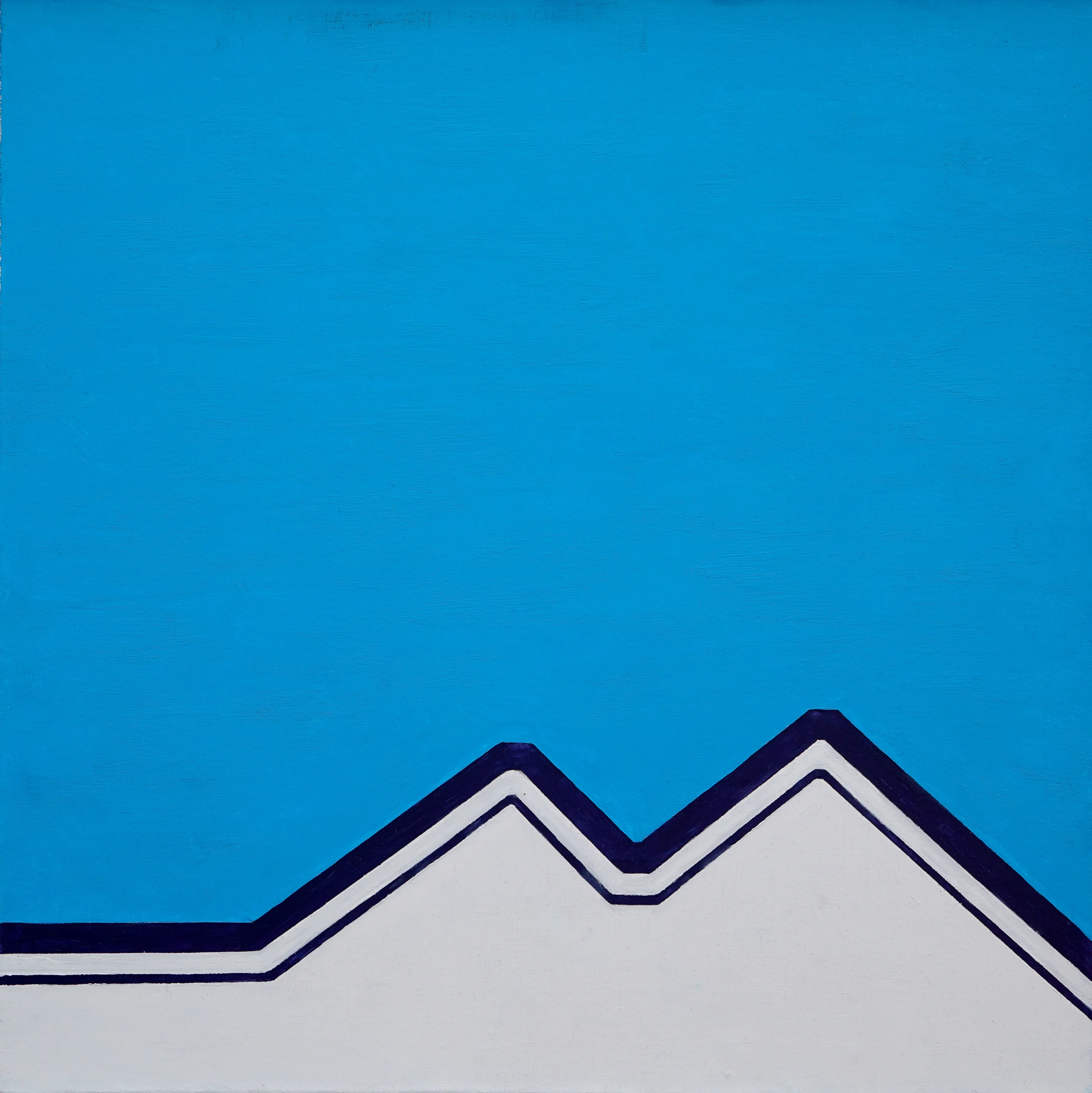
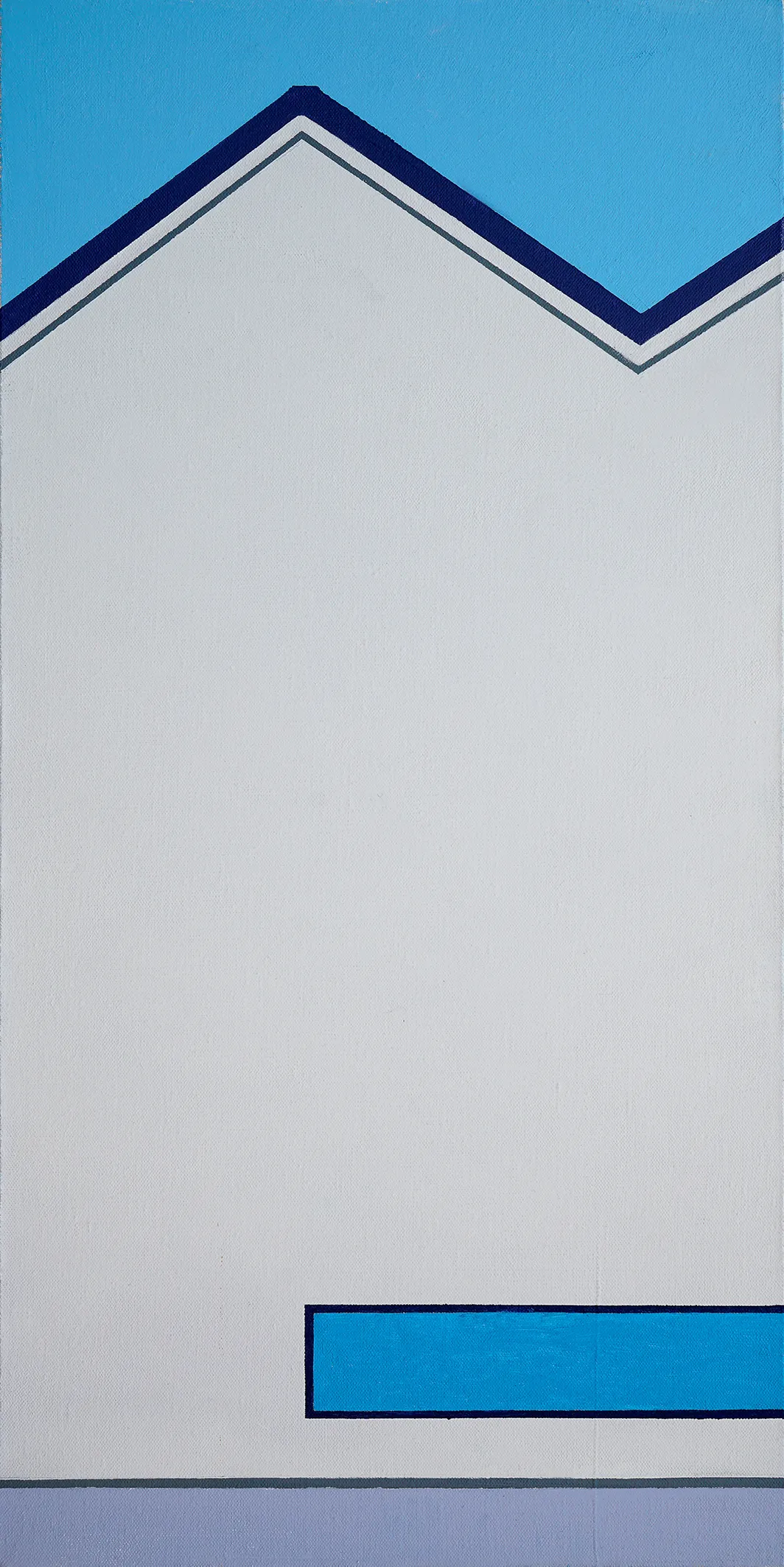
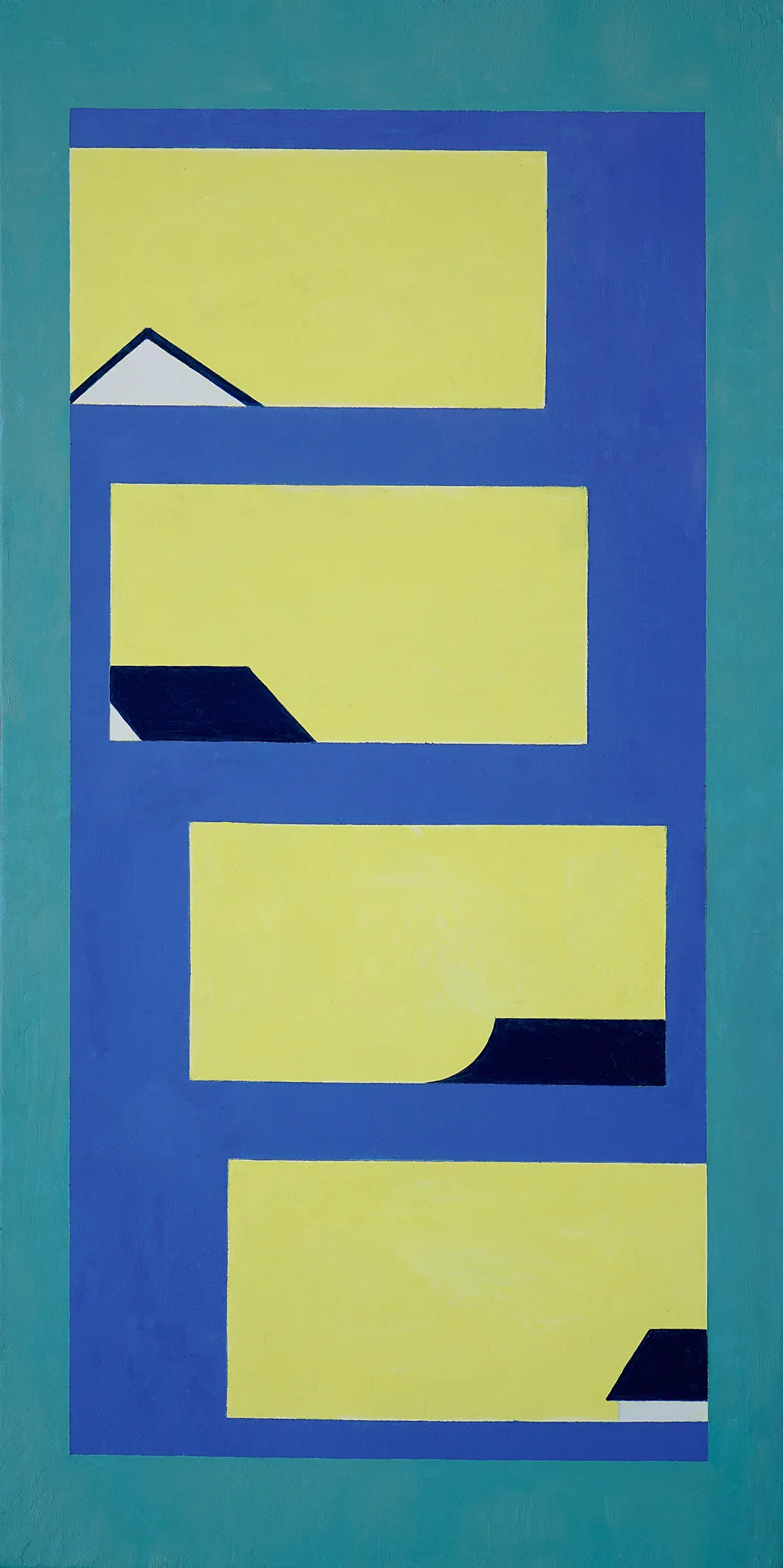
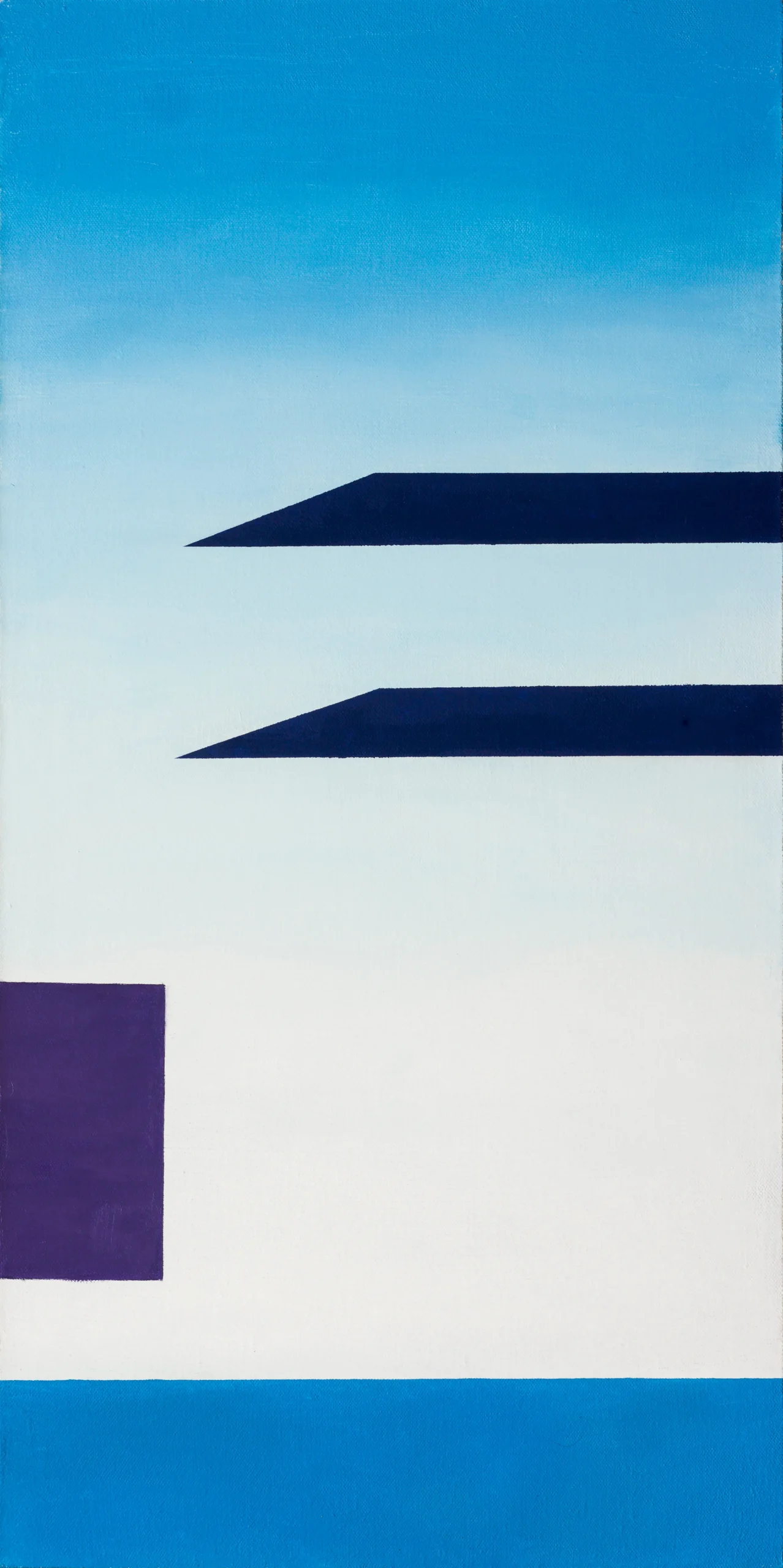
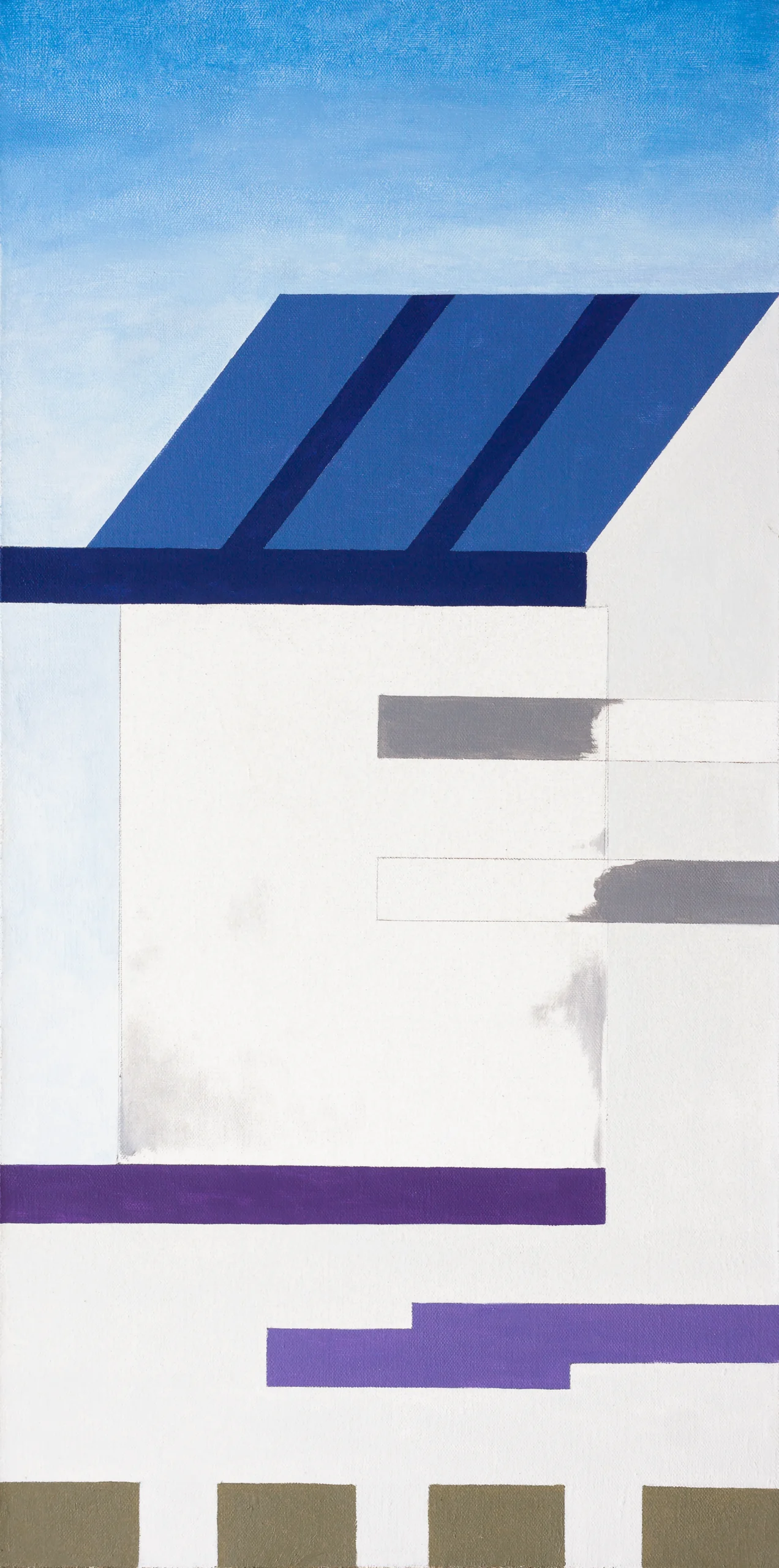
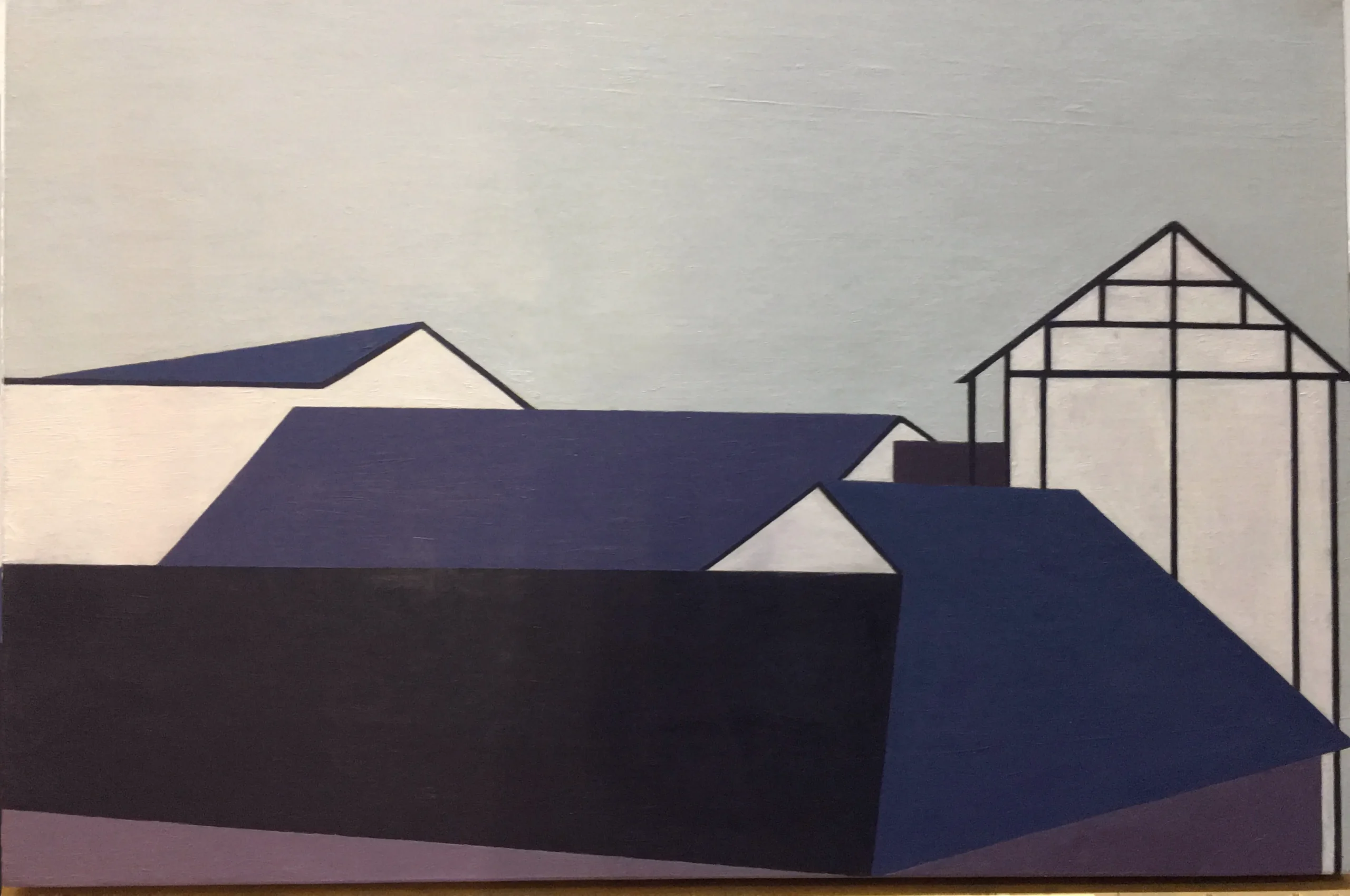
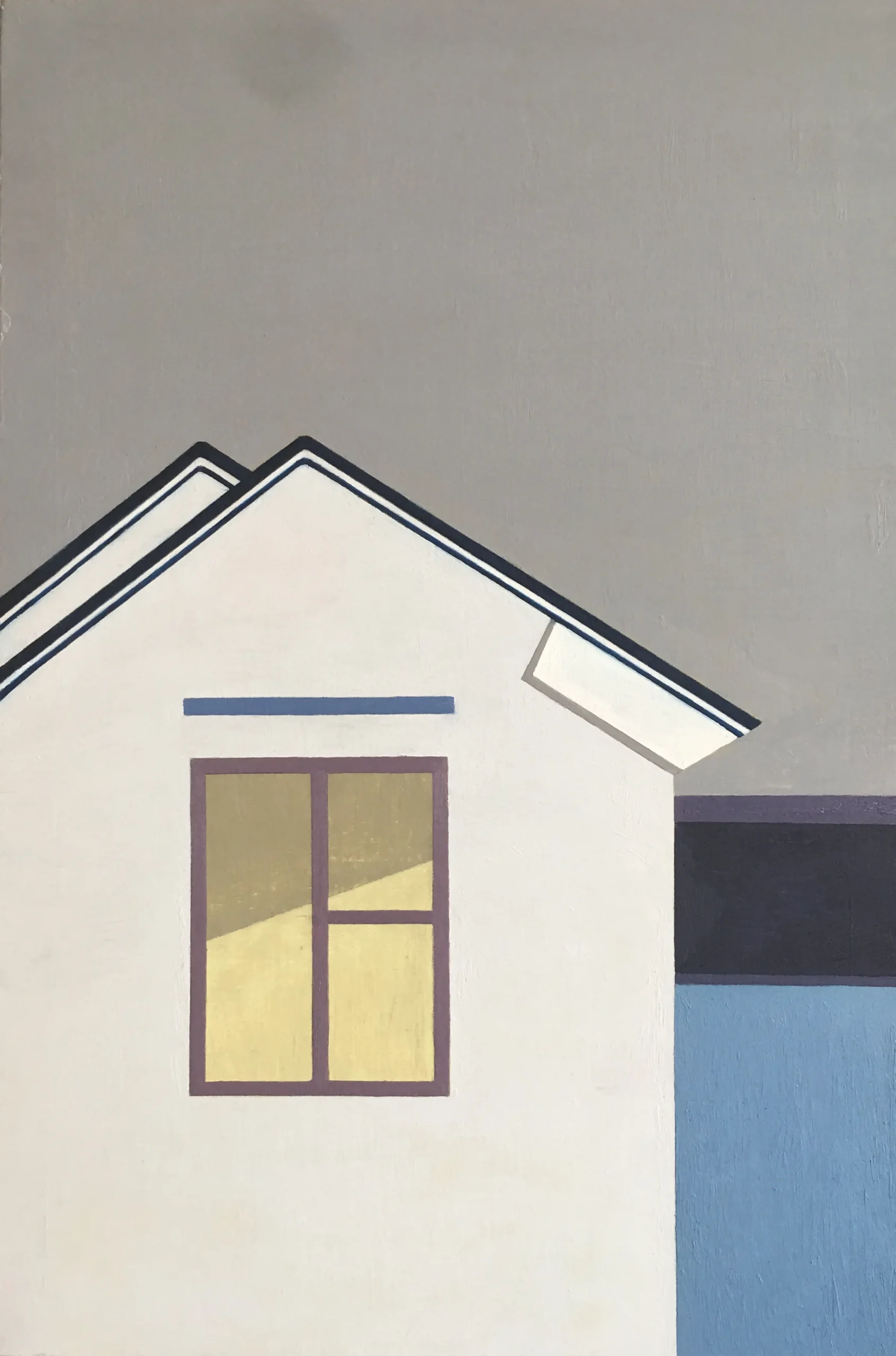
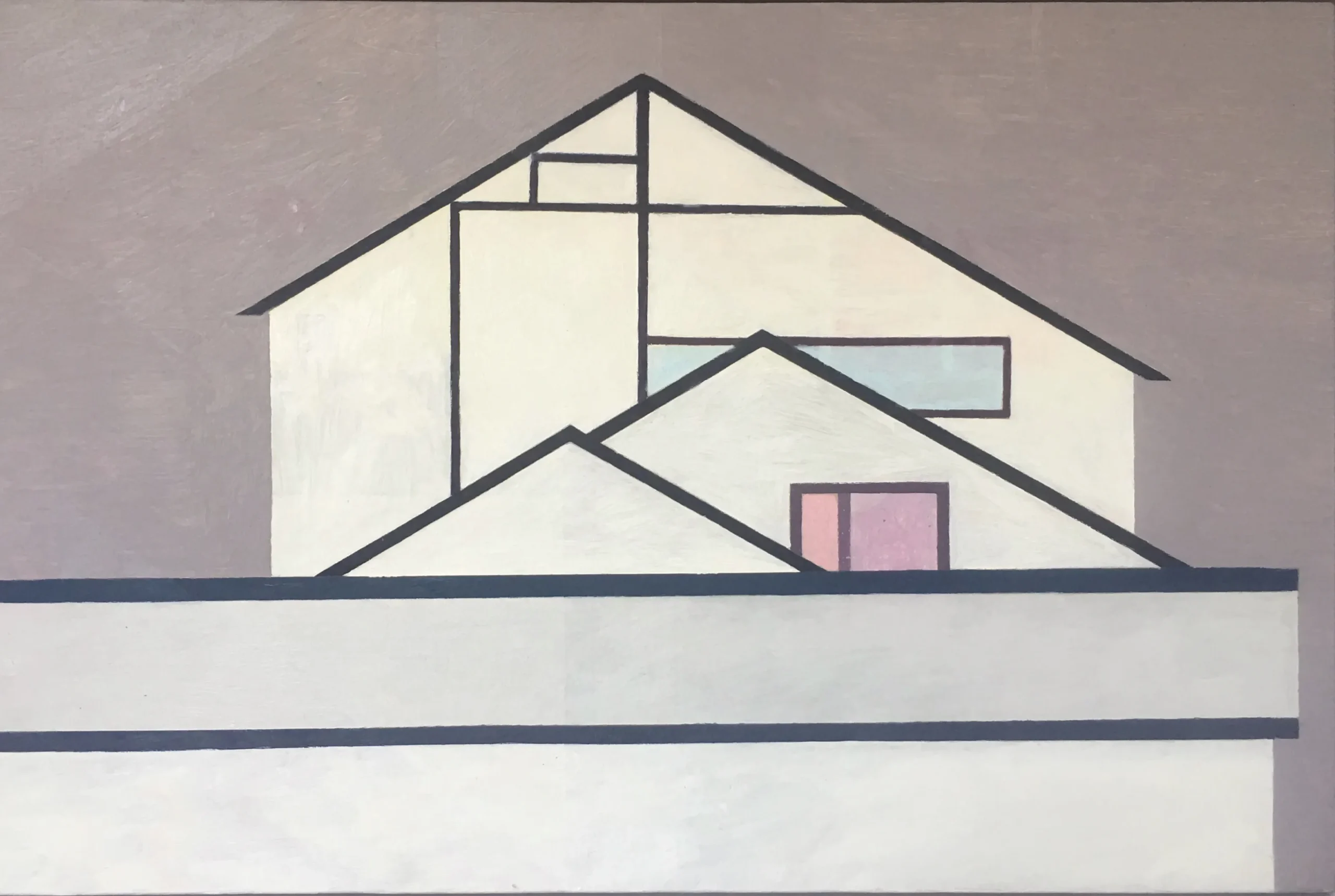
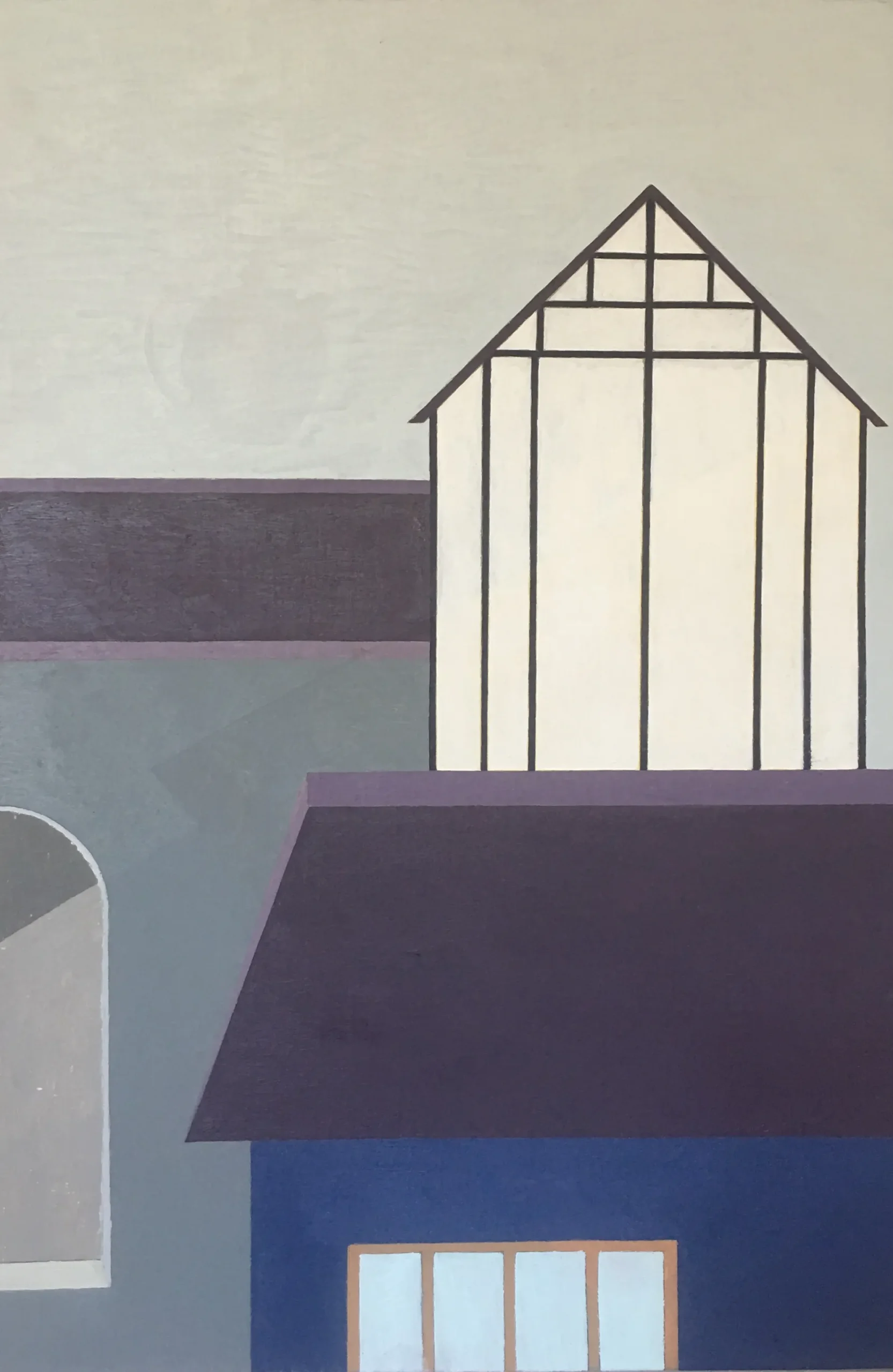
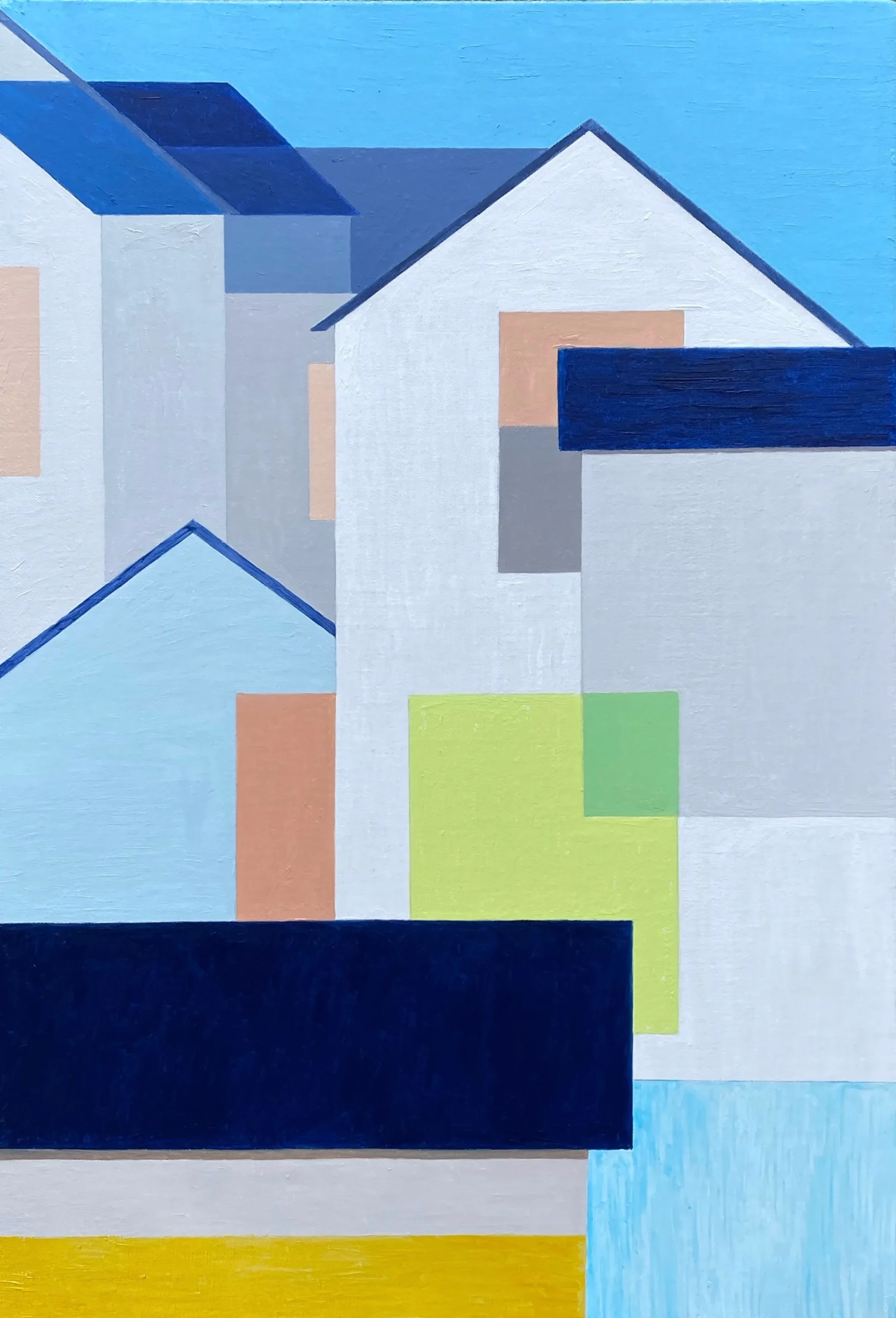
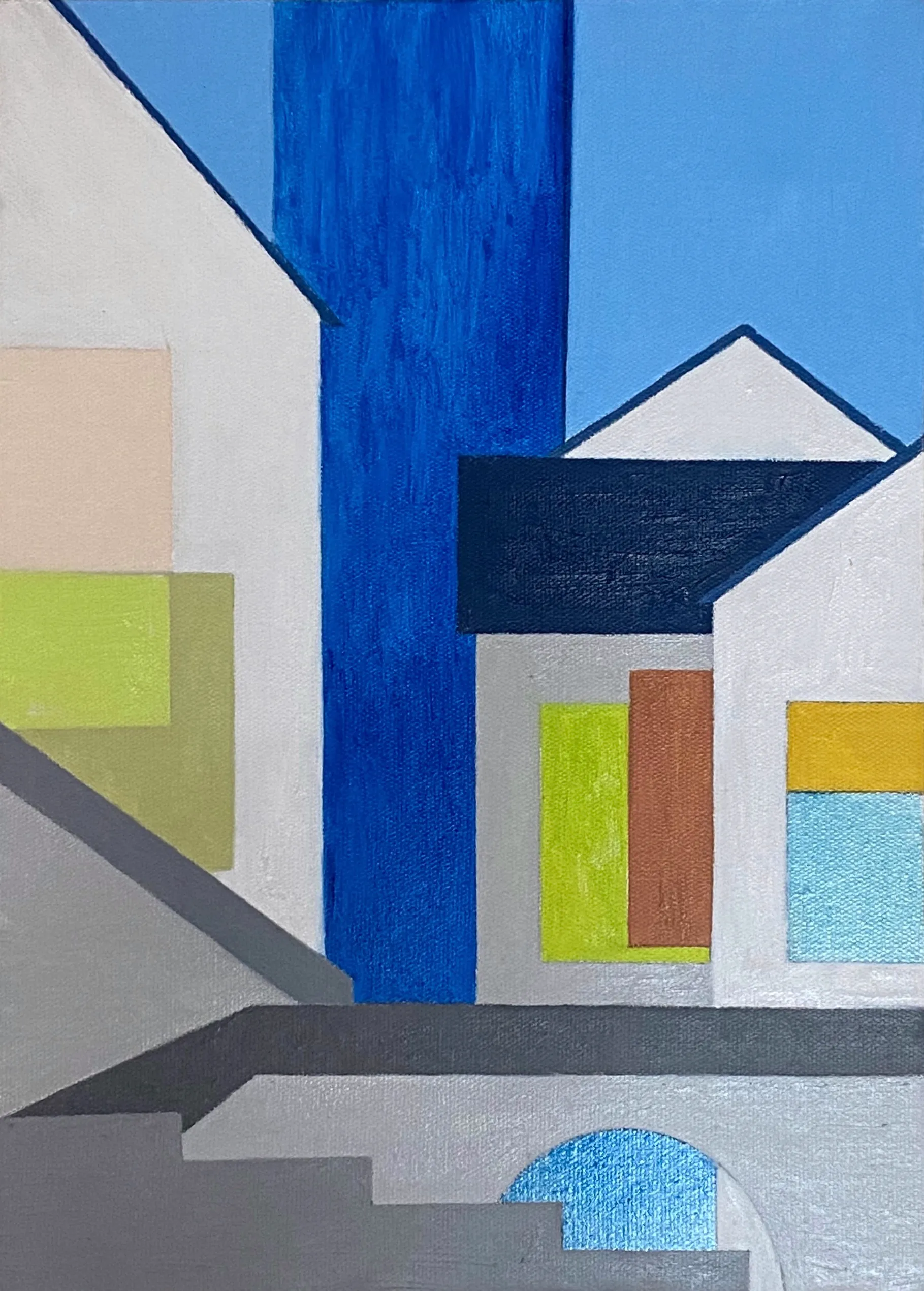
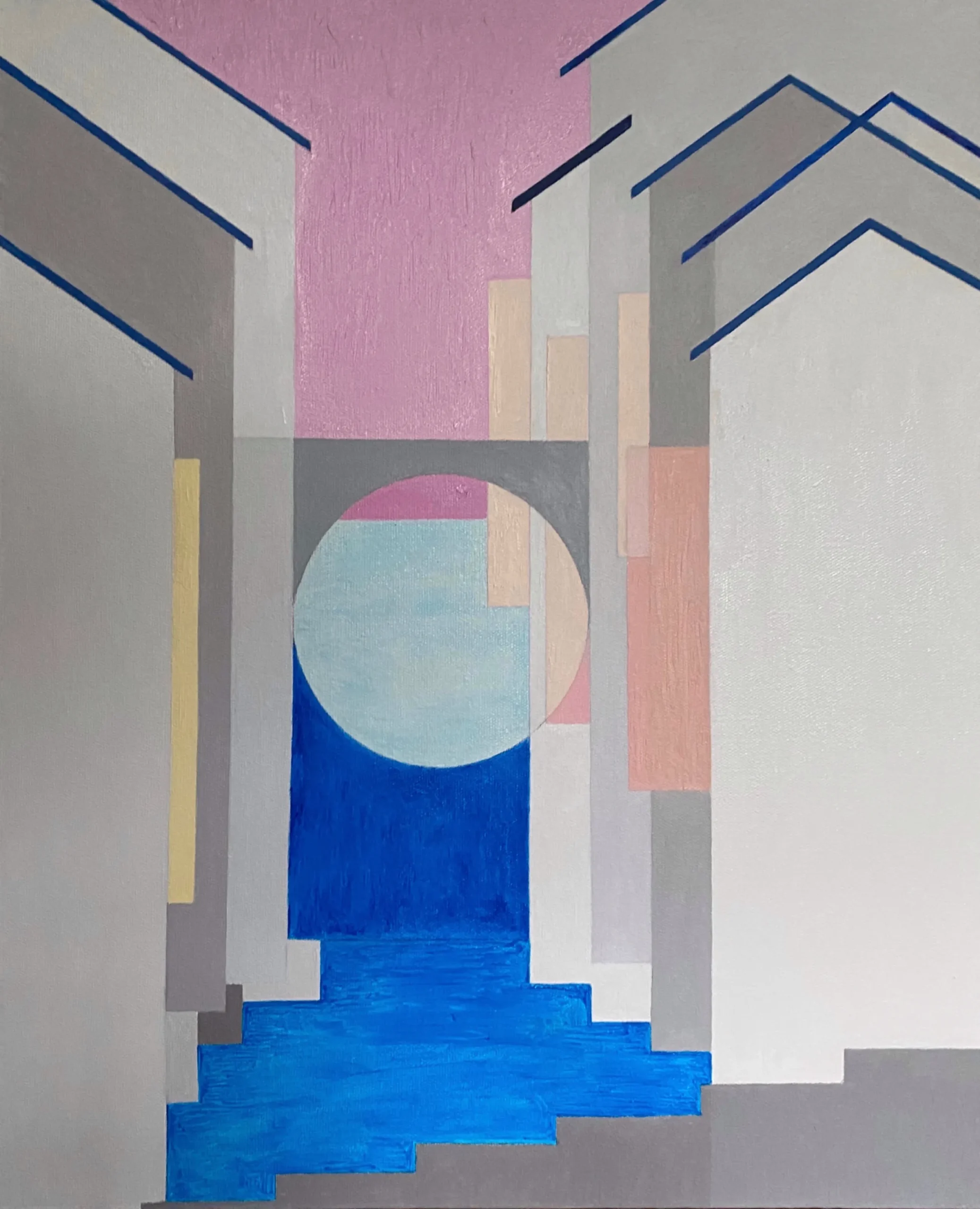
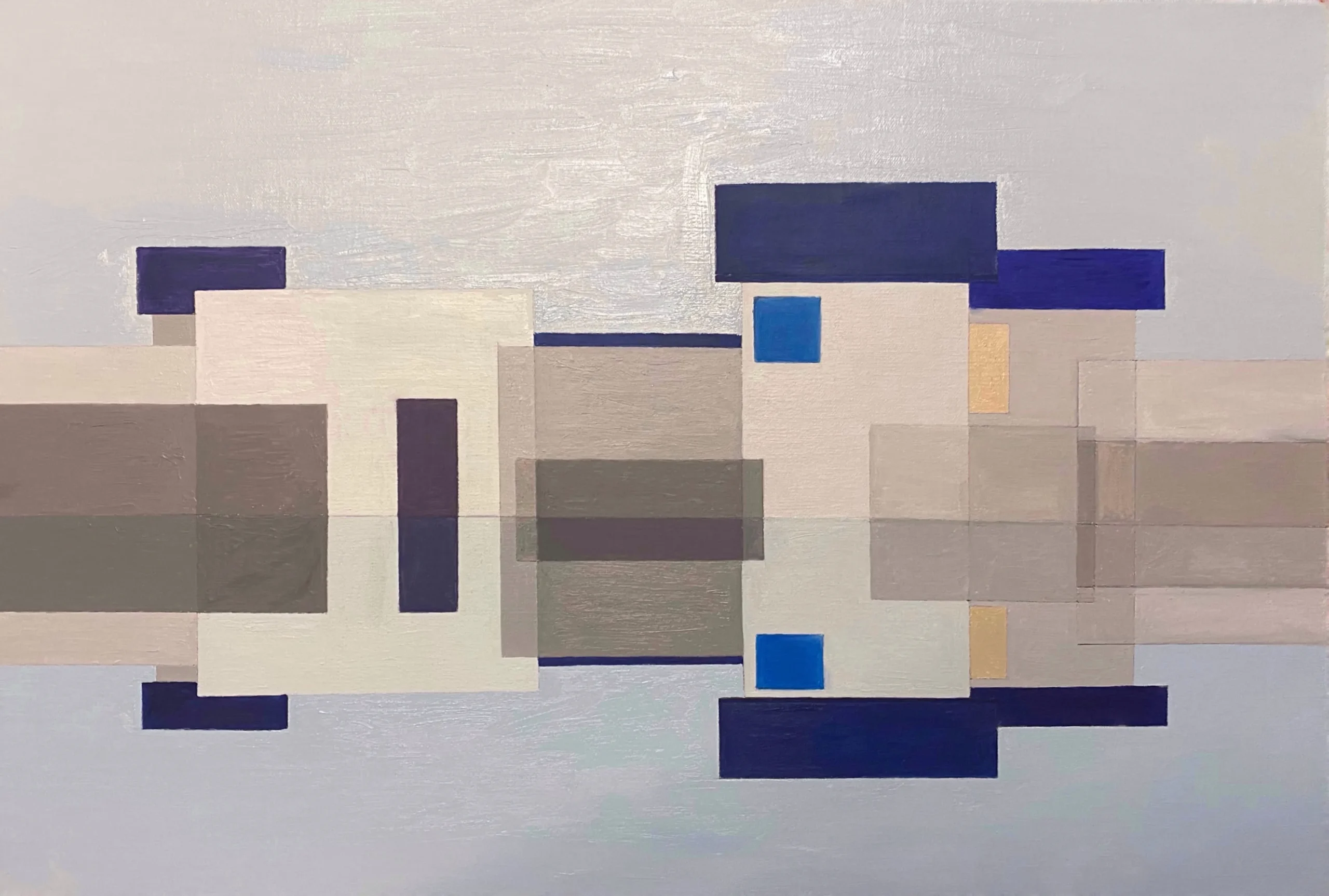
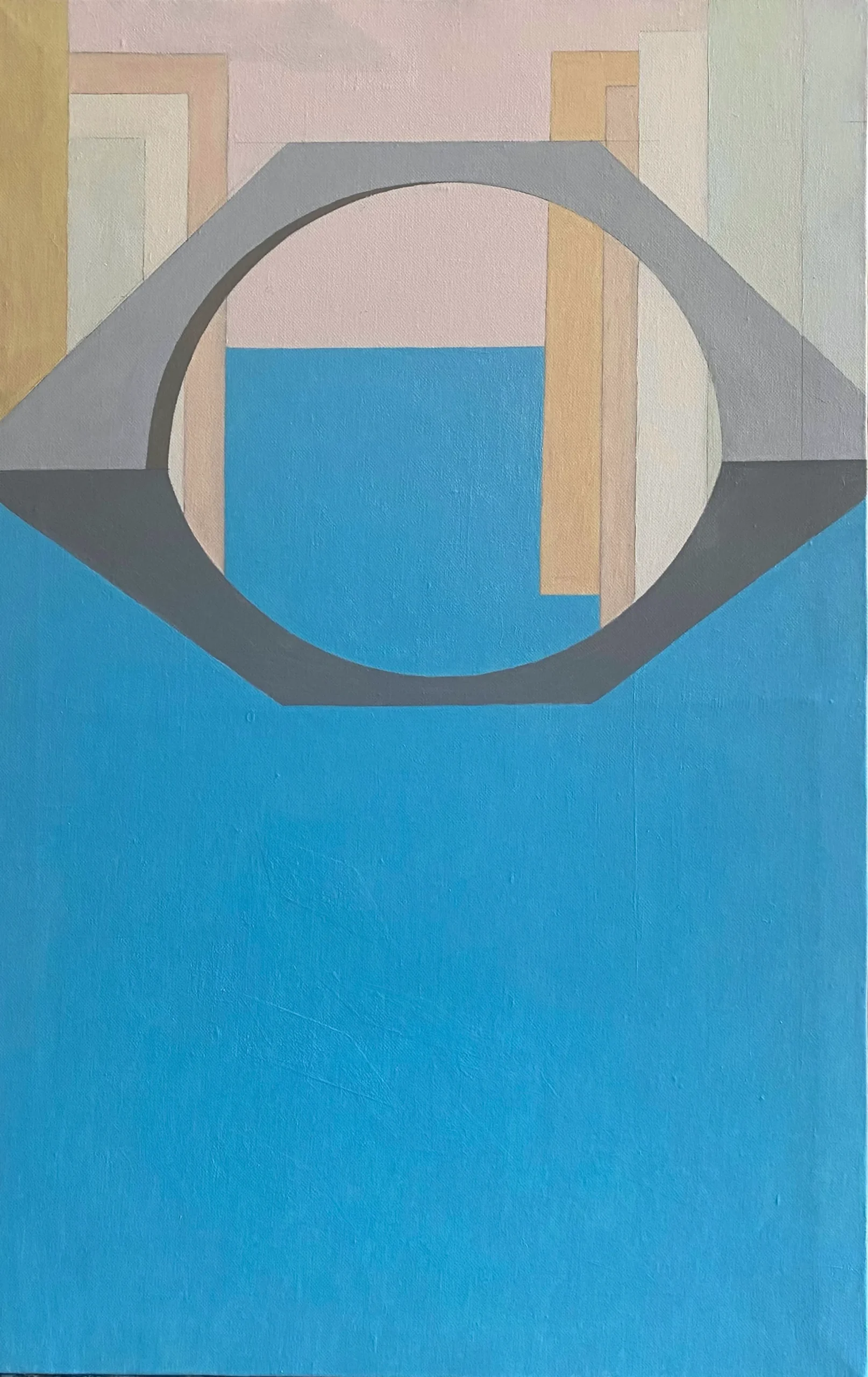
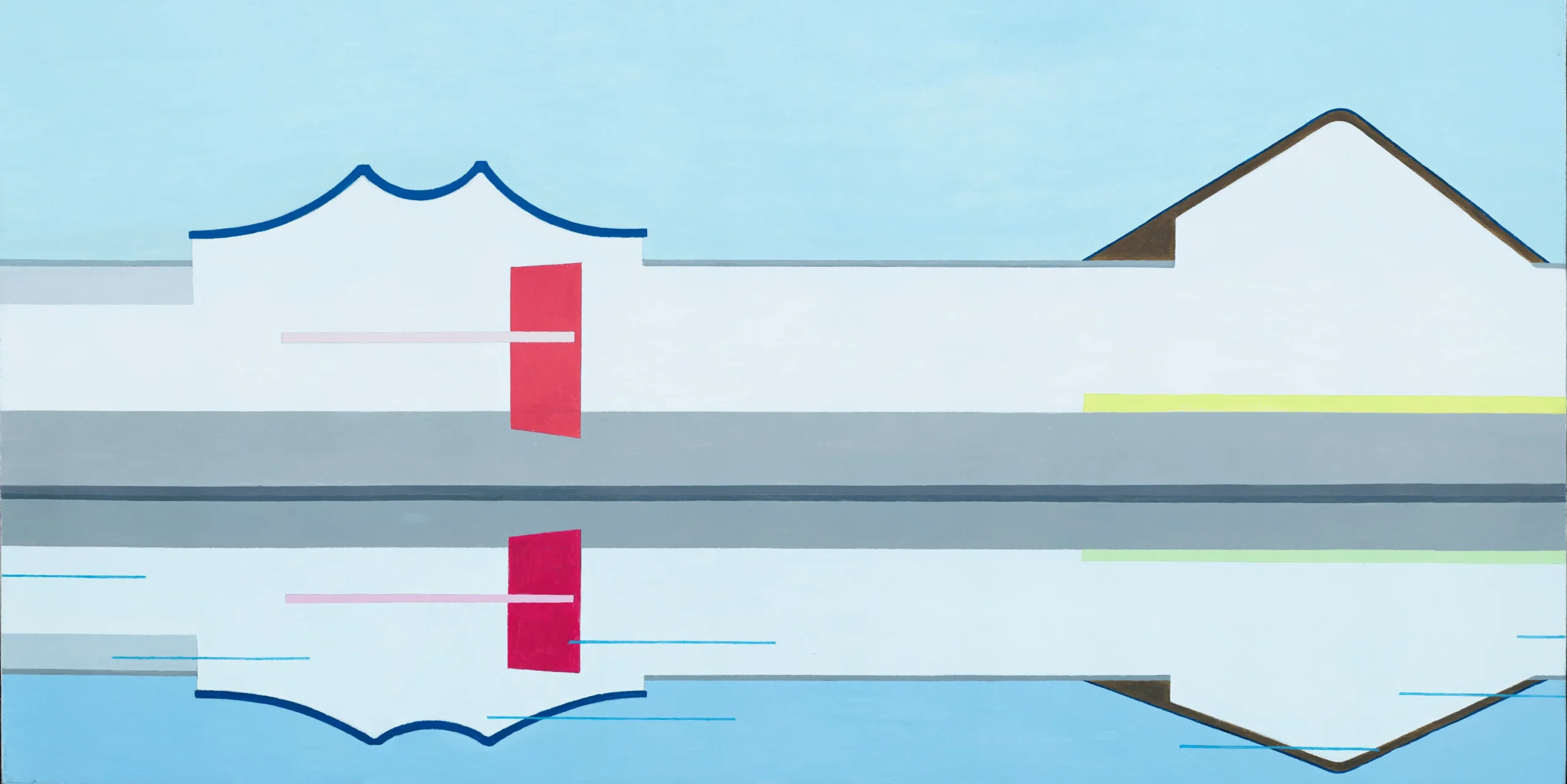
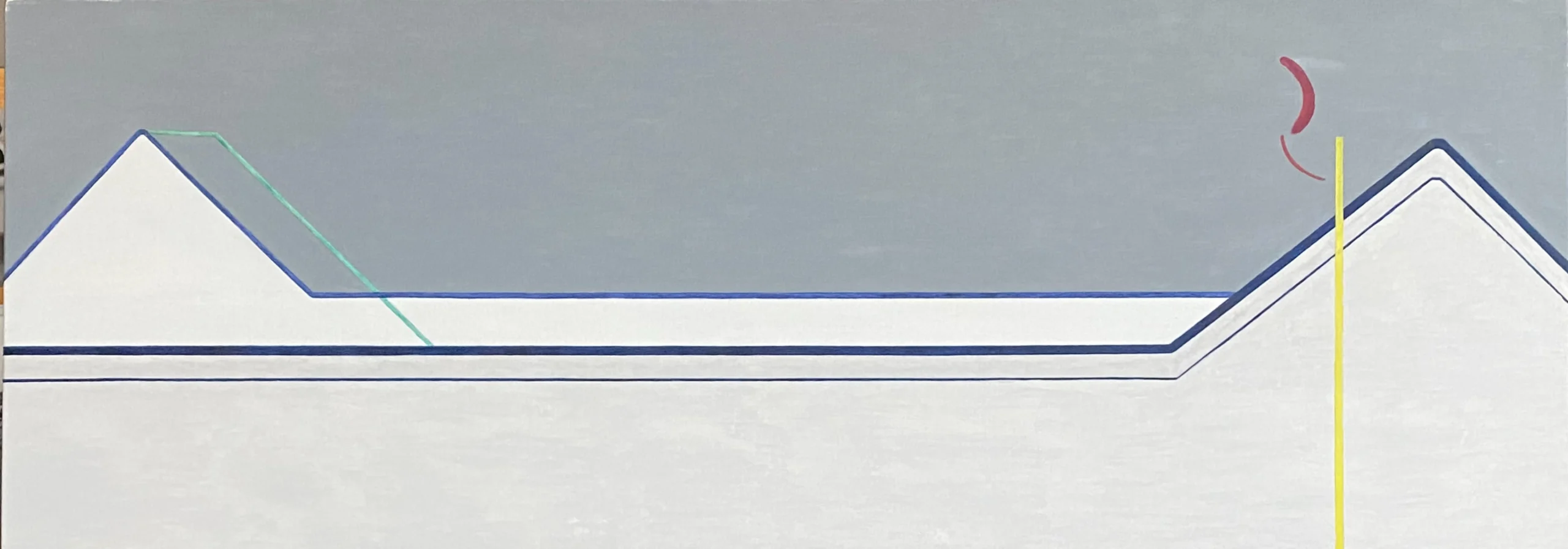
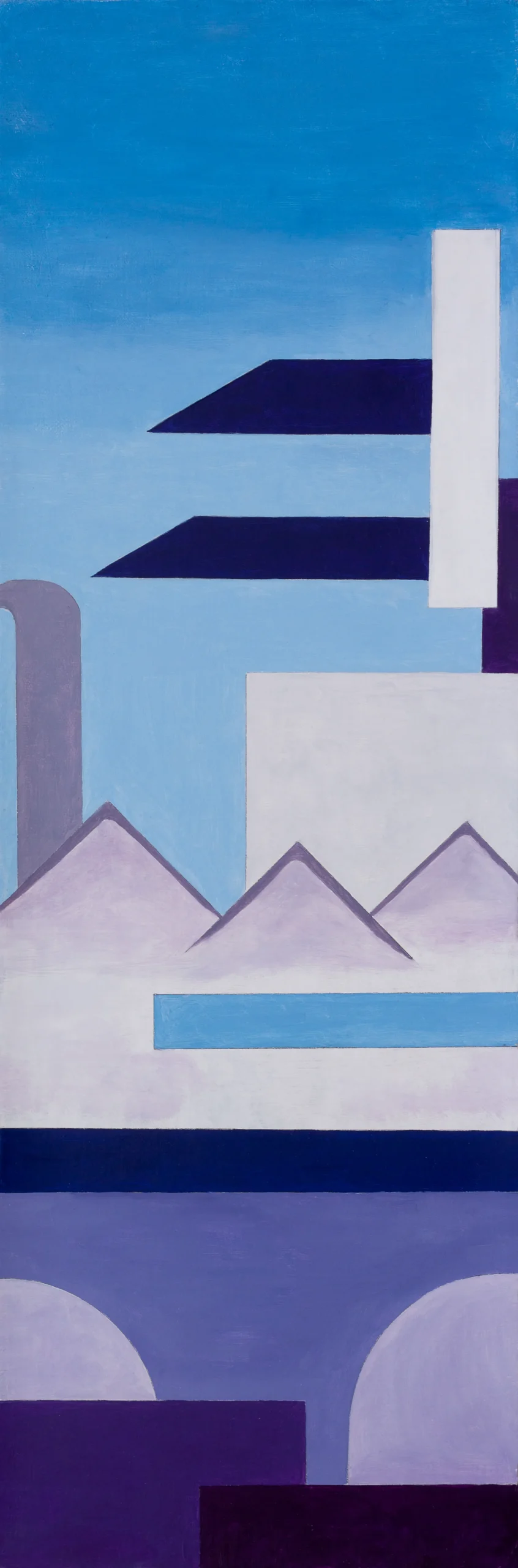
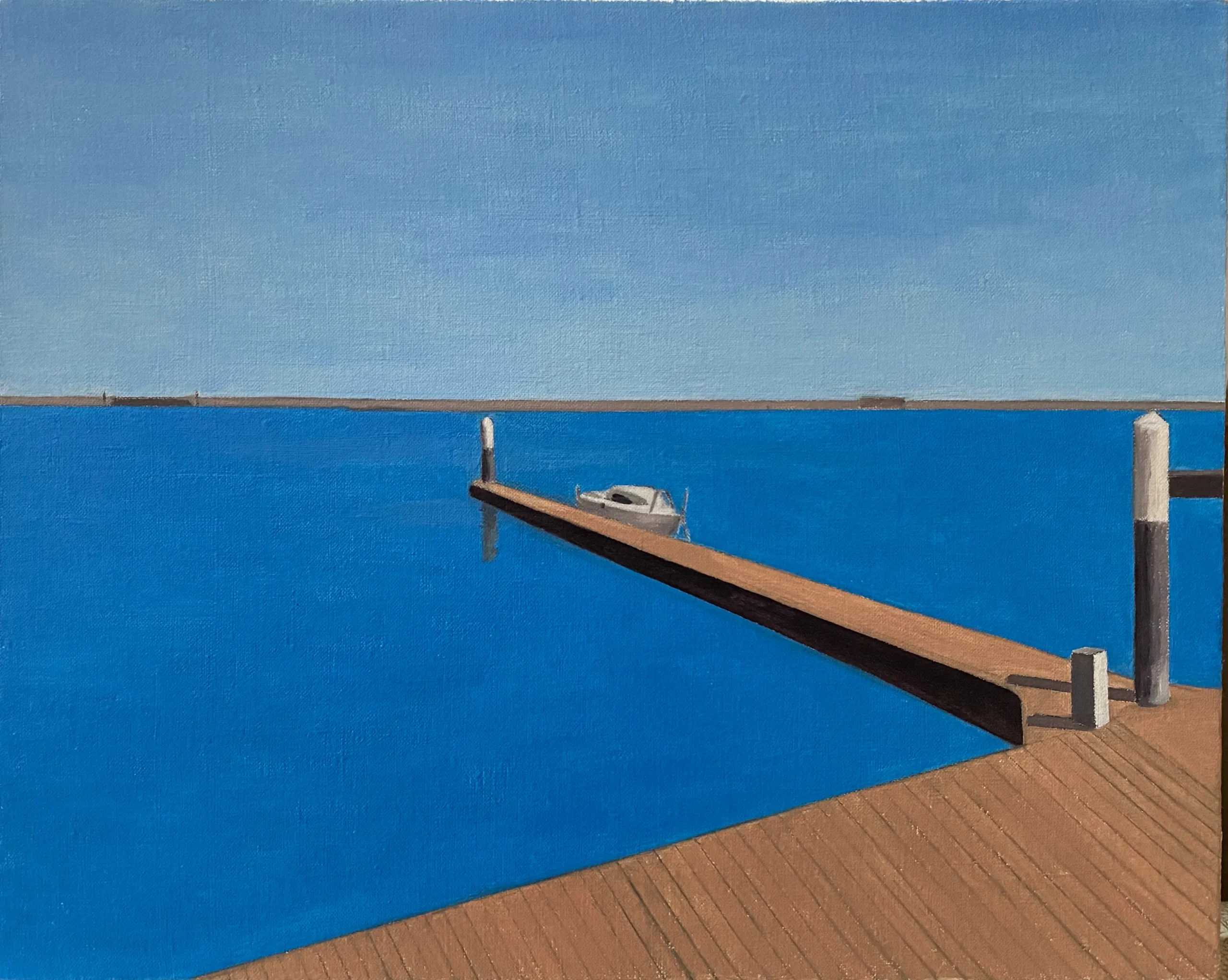
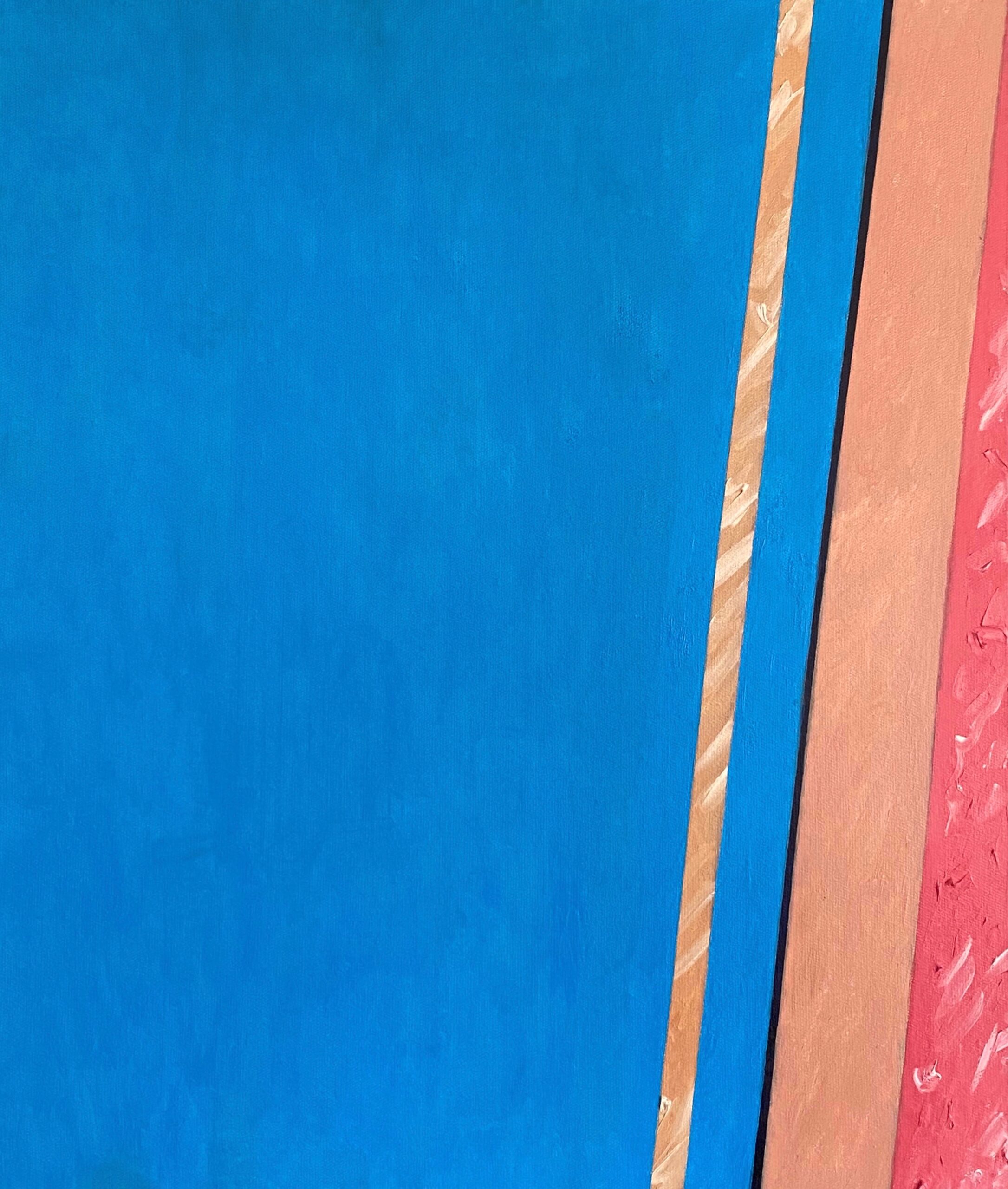
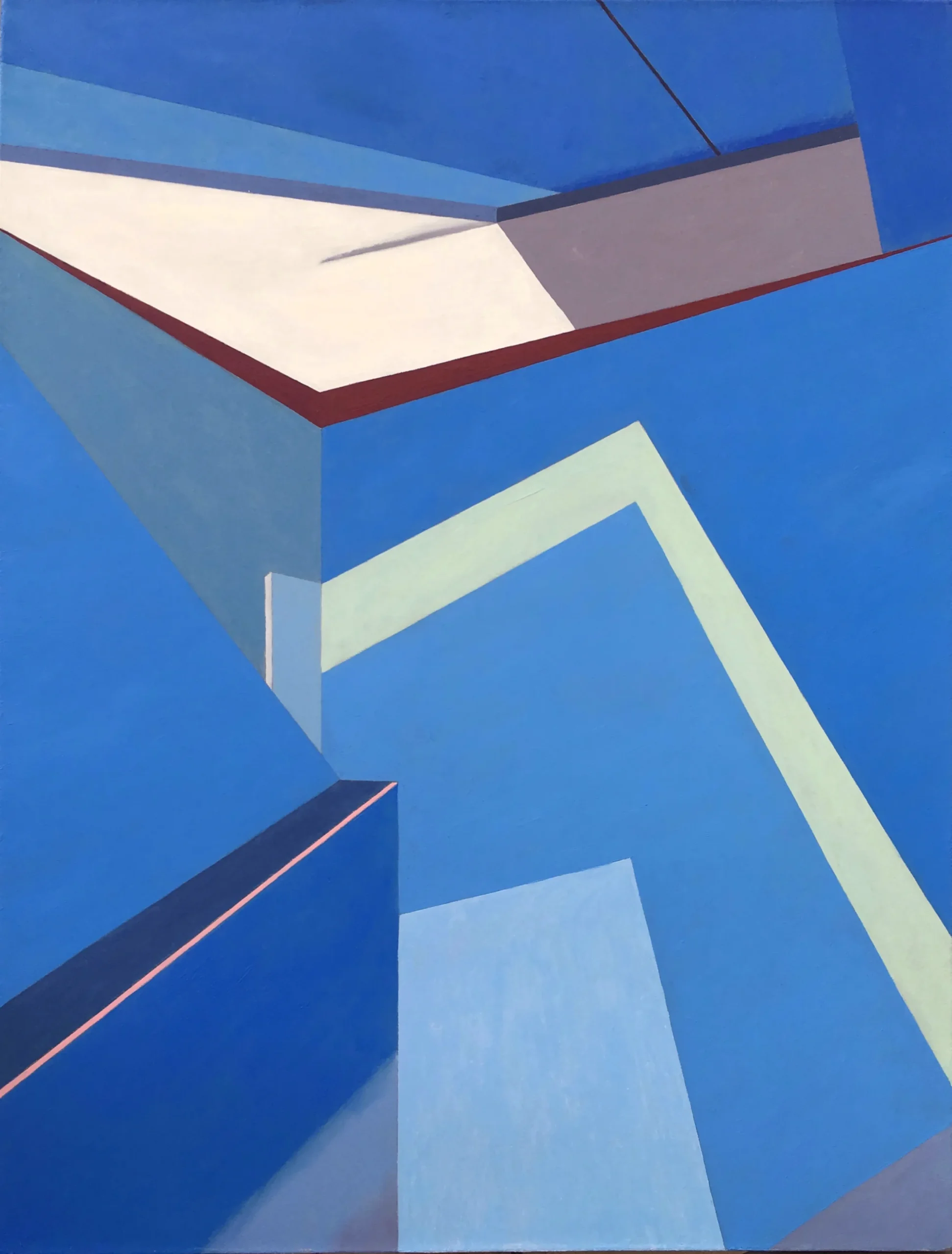
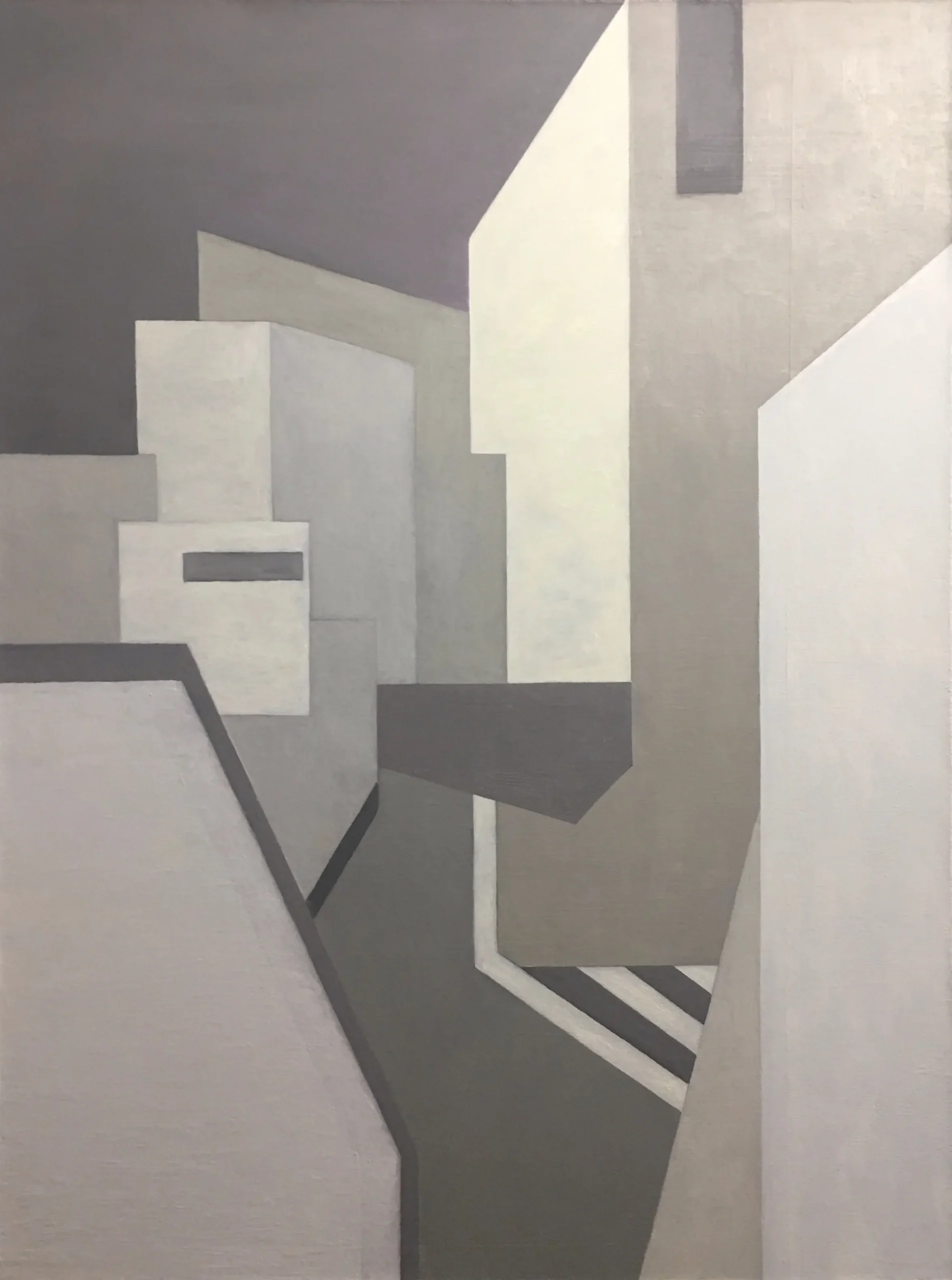
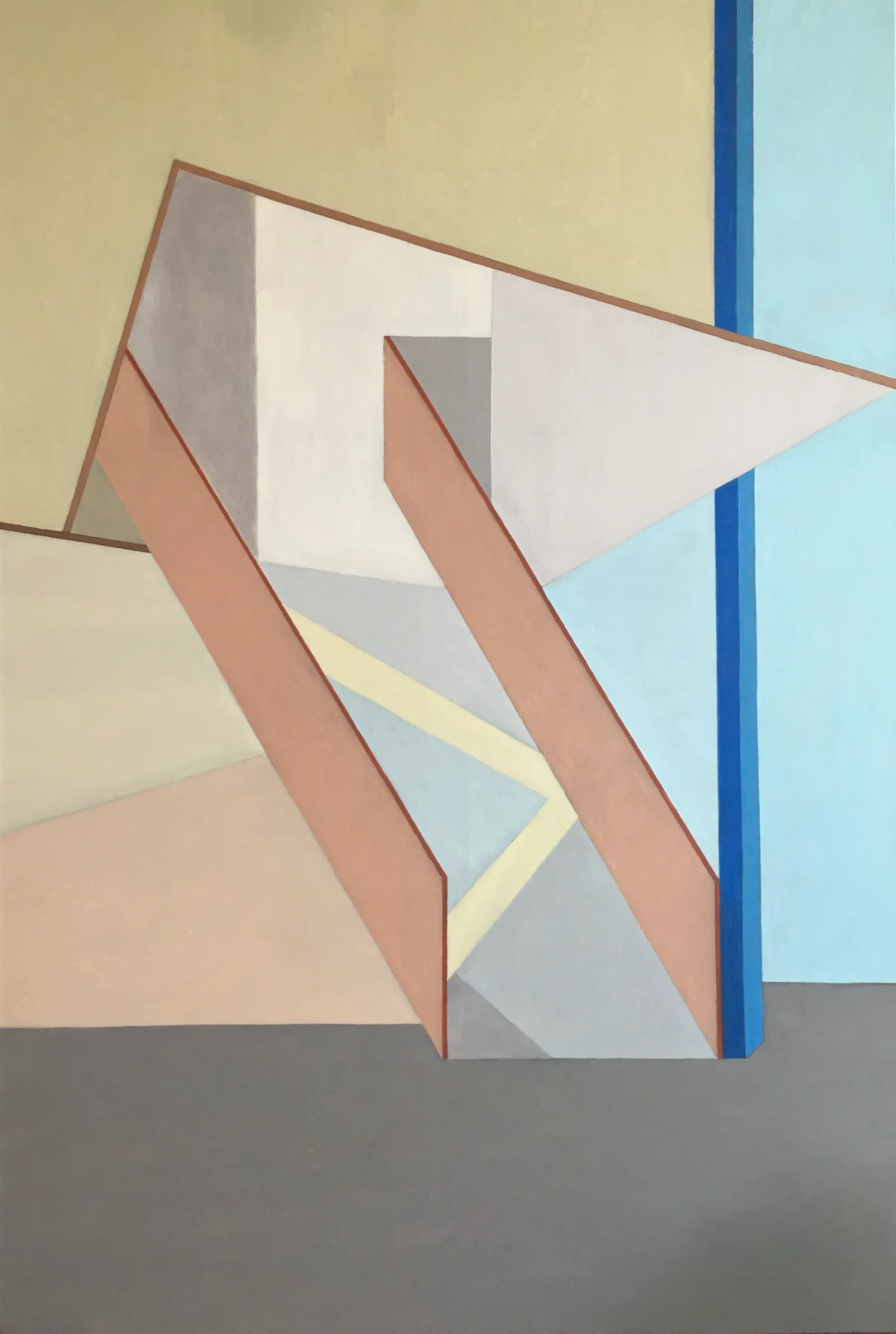
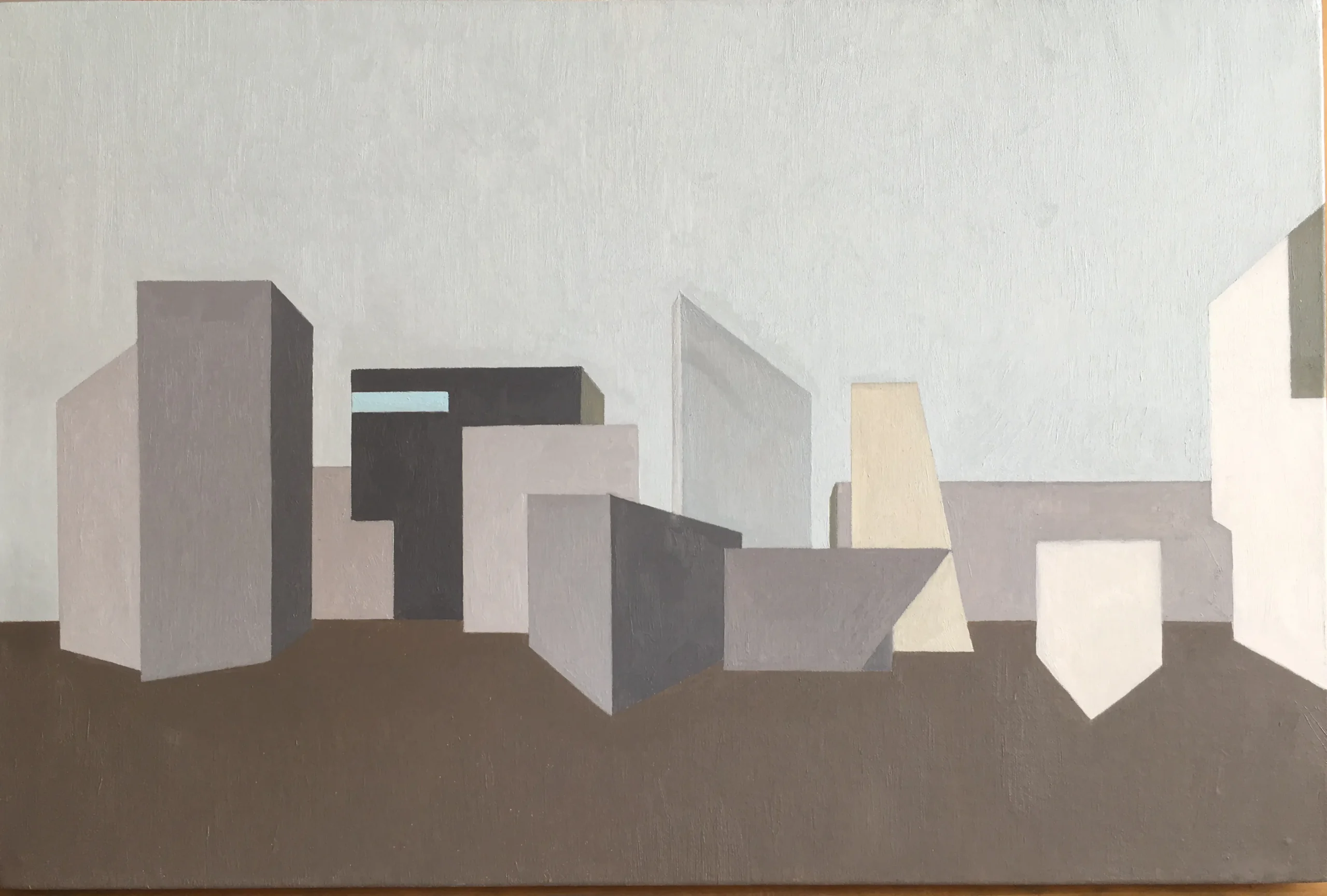
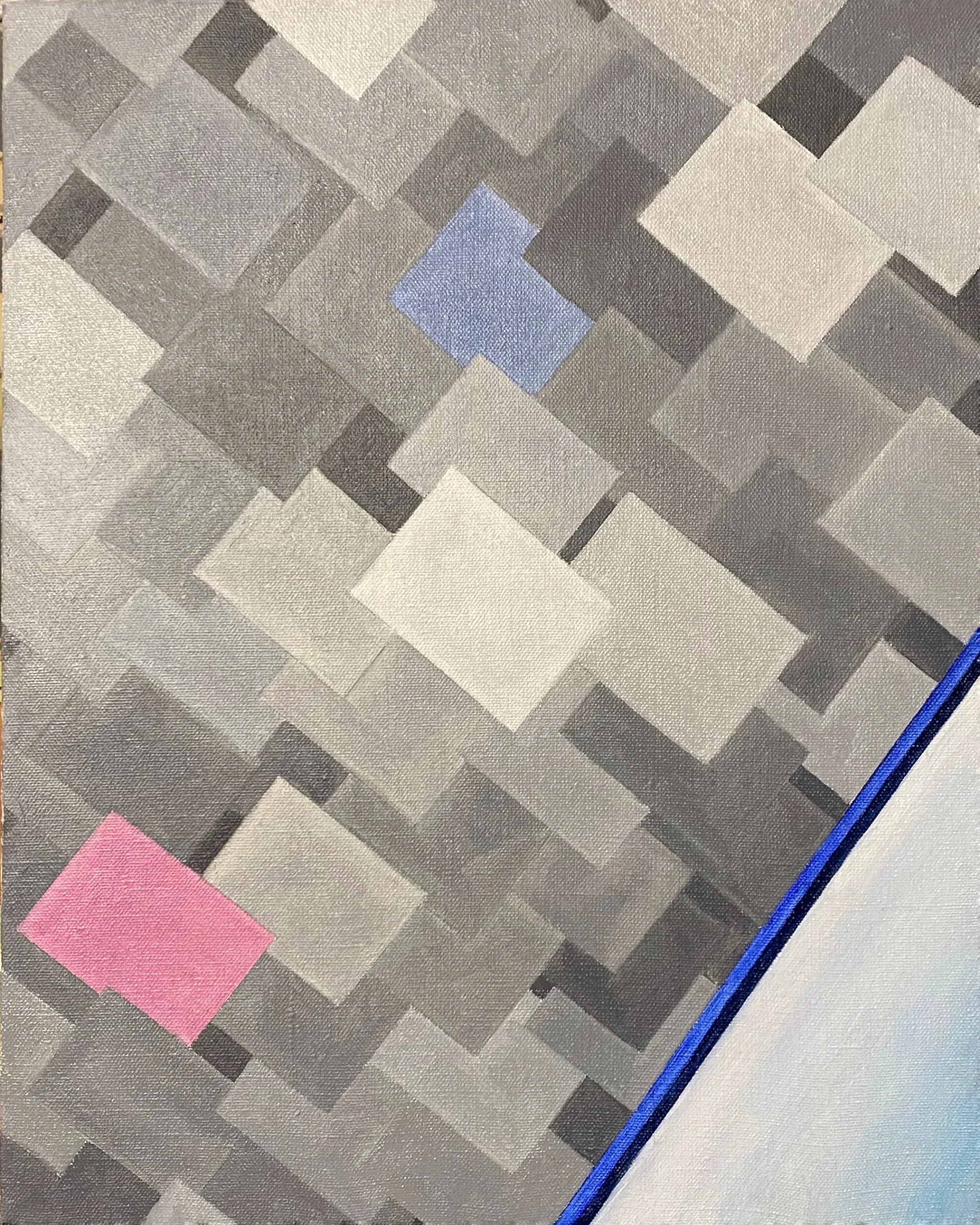
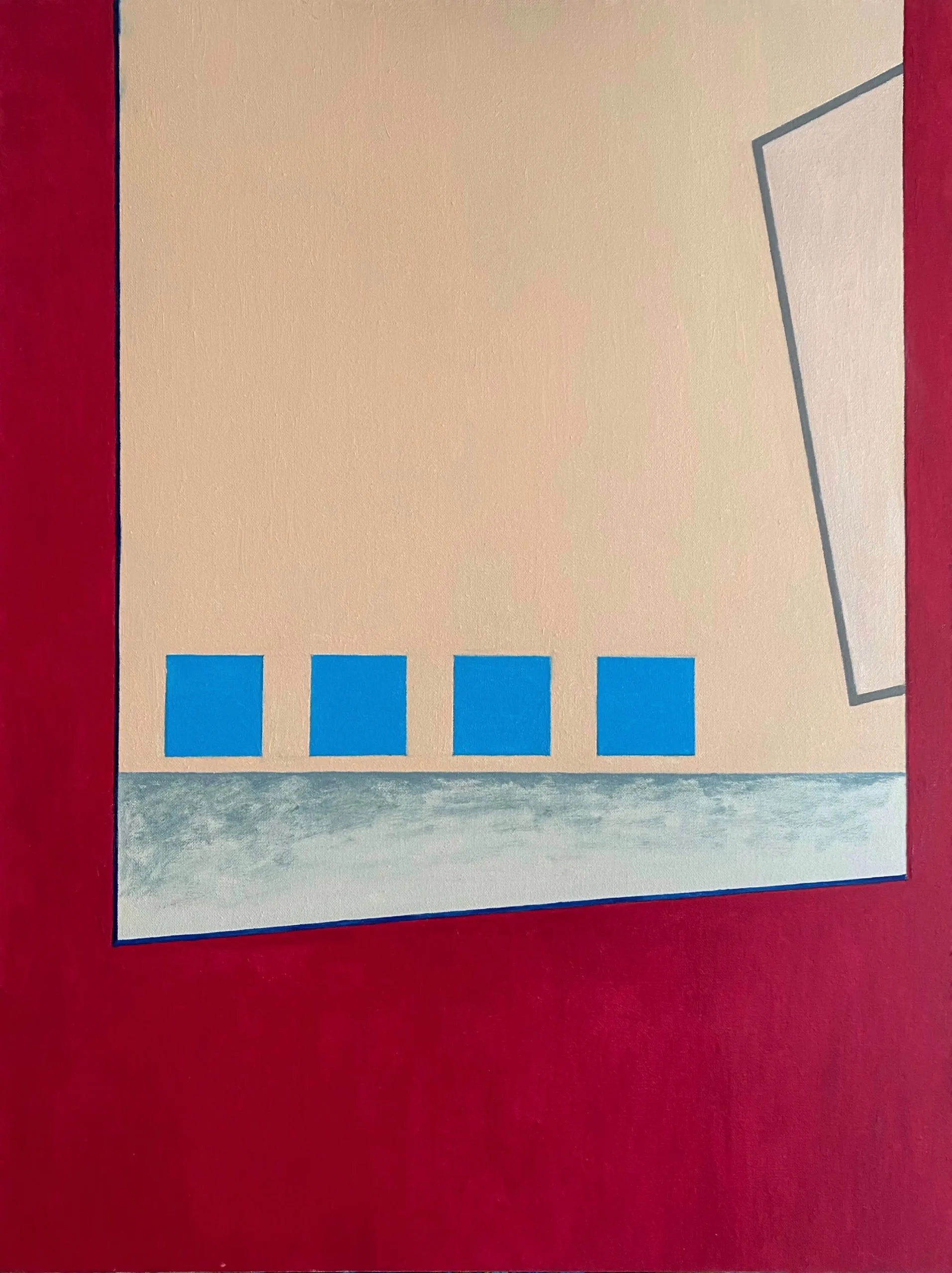
Beginning with landscape, Wang Wulong gradually removes descriptive details and transforms natural scenery into geometric and structural forms. Landscape is no longer merely an object of observation, but becomes a visual language through which order, memory, and spatial relationships are explored. Through reduction, reconstruction, and refinement, real places evolve into open and symbolic spaces beyond their physical origins.